Mapping Reward Pathways Between Virtual Table Games and Live Event Markets for American Enthusiasts
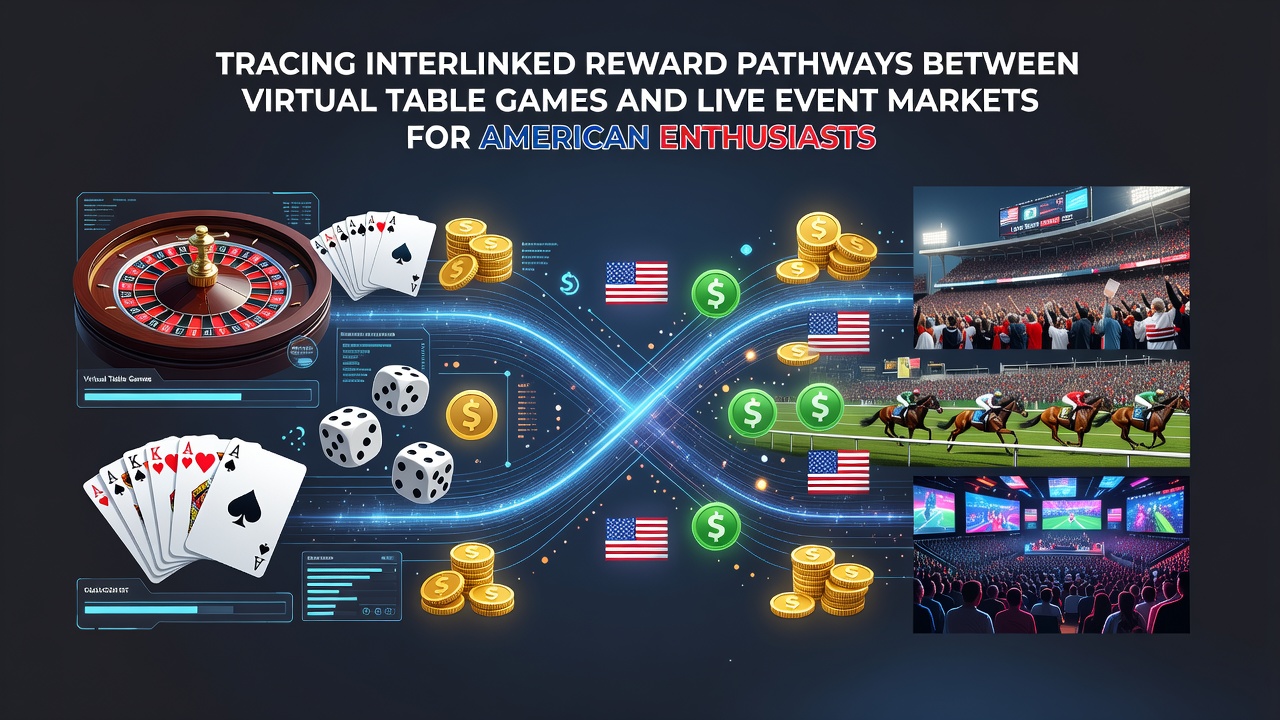
American enthusiasts have traced clear connections between rewards earned in virtual table games such as online poker and blackjack and incentives available in live event markets including sports betting on NFL adn NBA contests. Data from industry reports indicate that players often transfer credits or bonus funds across these platforms through integrated loyalty programs offered by major operators. Research indicates these pathways emerged more prominently after regulatory changes in several states expanded online gaming options around 2023 and continued to evolve through mid-2026.
Virtual Table Game Reward Structures
Virtual table games operate on platforms that award points for hands played and wagers placed, with many systems converting those points into cashable credits or free spins usable elsewhere. Observers note that operators structure these rewards to encourage extended sessions, where a player completing a certain number of blackjack rounds might unlock tiered bonuses. Figures from state gaming boards show average reward redemption rates climbing steadily, with players in regulated markets like New Jersey and Pennsylvania directing portions of table game earnings toward other betting verticals. Those who've studied player behavior report that virtual environments allow precise tracking of activity, which then feeds into cross-platform promotions.
Live Event Market Incentives
Live event markets encompass real-time betting on sports and other timed competitions, where operators provide boosts such as enhanced odds or matched deposits tied to specific games. Data shows these incentives frequently align with major events, drawing participants who carry over earnings from table game sessions. American Gaming Association statistics reveal that live betting volumes in states with integrated platforms grew notably between 2024 and 2026, partly because reward systems permit seamless movement of funds from virtual tables into in-game wagers. Experts have observed that timing plays a key role, since live markets reward quick decisions while table game points accumulate over longer periods.
Interlinked Pathways in Practice
Pathways form when operators link accounts across casino and sportsbook sections, allowing a user to complete table game challenges and apply resulting credits directly to live event bets. One study revealed that participants often chain activities by finishing virtual poker tournaments in the morning and shifting balances to afternoon sports markets without additional deposits. Researchers discovered this pattern appears most common among users who hold loyalty accounts spanning multiple product types. What's interesting is how some platforms automatically convert table game points into live betting vouchers during promotional windows, reducing friction for the player. Evidence suggests these connections strengthen retention because participants see value in maintaining activity across both areas rather than isolating their play.
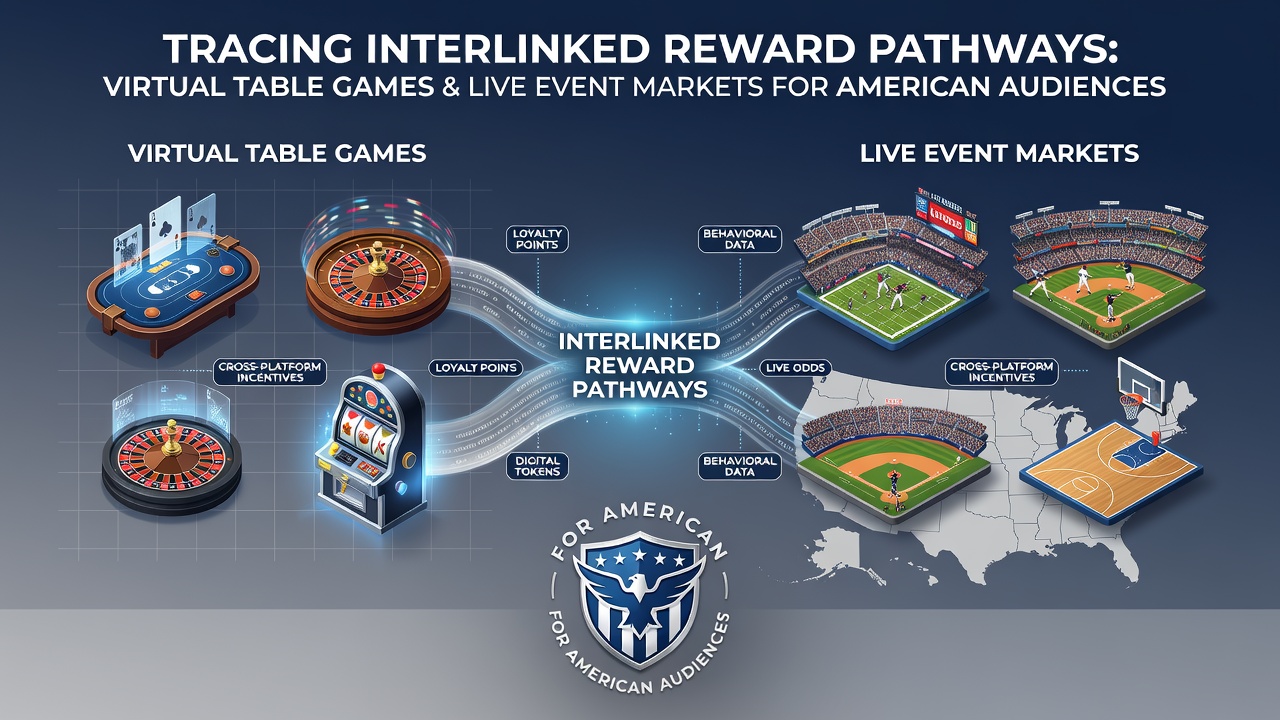
July 2026 data from multiple state regulators indicated a measurable uptick in cross-vertical redemptions following the rollout of new mobile features that highlight available transfers between game types. Those monitoring these trends note that players in markets such as Michigan and Illinois frequently test small transfers first before committing larger amounts, which helps map personal reward pathways. Industry organizations have documented that such linkages also appear in responsible gaming tools, where operators display total activity across table and live segments to assist users in tracking spending.
Regional Variations and Data Trends
Differences emerge by jurisdiction because some states maintain stricter separation between casino-style games and sports products while others permit tighter integration. Figures reveal higher pathway usage in states with unified licensing frameworks, where a single operator can offer both verticals under one account. Academic papers on gambling patterns have examined how reward velocity affects participation, finding that players who move credits between virtual tables and live events tend to extend overall session lengths compared with single-vertical users. Government sources outside the United States, such as reports from Australia's gambling research centers, provide comparative context showing similar cross-product flows in regulated environments.
Conclusion
Tracing these reward pathways provides a factual view of how virtual table game activity and live event market participation intersect for American enthusiasts. Available data demonstrate measurable connections through loyalty mechanics and platform design, with activity levels documented in state reports through July 2026. Observers continue to monitor these patterns as operators refine integration features and regulatory frameworks evolve across jurisdictions.