Layered incentive pathways reveal how platform evaluations steer poker code redemptions into sustained odds boost sequences
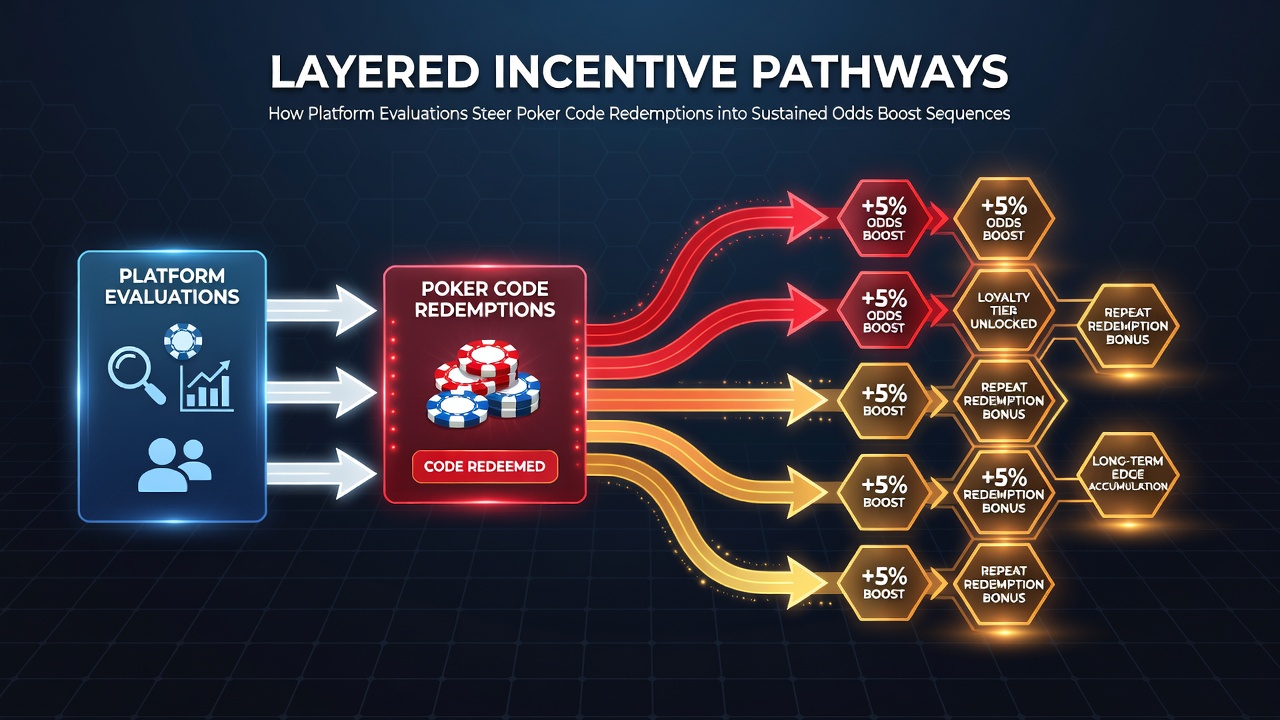
Platform systems in the US betting sector have developed structured evaluation methods that track how players redeem poker bonus codes and then route those redemptions toward sequences of boosted odds in sportsbooks, with data from July 2026 showing increased activity in these pathways across multiple operators.
Platform evaluation mechanisms at work
Operators assess player behavior through algorithms that monitor redemption patterns, wager volumes, and cross-product movement, while those who study these systems note that codes from poker rooms often carry conditions that favor continued play in linked sportsbook environments. Research from the University of Nevada Reno indicates that such evaluations prioritize sequences where initial poker redemptions unlock tiered access to odds multipliers, creating sustained engagement loops rather than isolated promotions.
Take one documented case where a Nevada-based platform integrated poker code tracking with sportsbook modules, resulting in players who started with no-deposit poker credits moving into boosted lines on major league events within the same session. The Nevada Gaming Control Board reports confirm that these pathways expanded in the first half of 2026, with operators refining their systems to reward sequential redemptions that extend play across verticals.
Redemption sequences and odds boost mechanics
Poker code redemptions typically begin with deposit matches or free tournament entries, yet platform logic then evaluates account history to determine eligibility for odds boosts that apply to future sportsbook wagers. Observers note that these transitions occur because operators design incentive layers so that poker activity contributes to loyalty metrics, which in turn unlock higher-value boosts on events like football or basketball matches. Data collected through July 2026 shows average sequence lengths stretching from three to seven steps before players cycle back to new poker entries.
Geographic variations in pathway design
US state regulations shape how these layered systems operate, whereas Australian researchers at the Australian Gambling Research Centre have examined similar cross-product steering in licensed markets and found parallel patterns of code-to-boost migration. In practice, platforms adjust evaluation thresholds based on local rules, allowing operators to maintain compliance while still guiding redemptions into extended odds sequences.
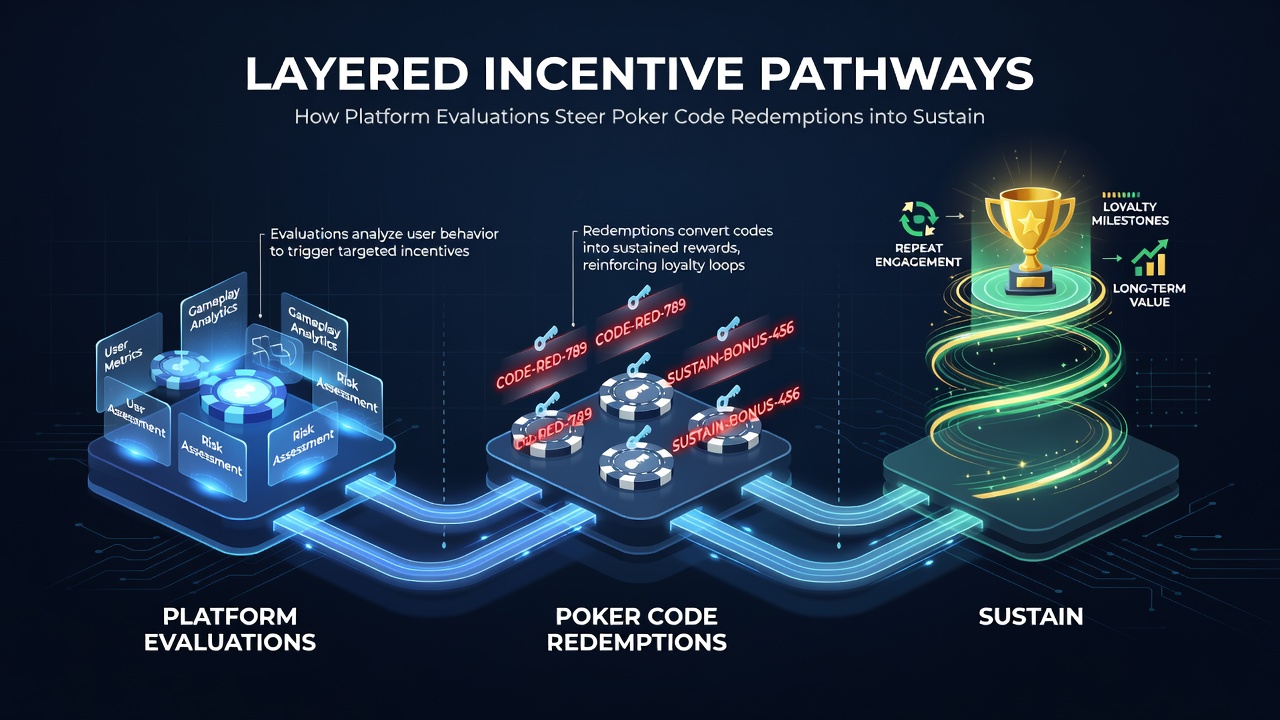
What's interesting here is how the evaluation layer assigns point values to poker redemptions that directly feed into boost multipliers, so a player who completes a coded tournament might receive an automatic odds upgrade on their next parlay. Figures from industry tracking services reveal that these mechanics became more prevalent after regulatory updates in several states during early 2026, prompting operators to refine their algorithms for smoother transitions.
Player movement patterns observed in 2026
Those who've examined transaction logs report that sequences often start with low-stake poker redemptions and escalate as platforms detect sustained activity, steering users toward higher-odds events in the sportsbook section. Short sequences appear in single sessions, yet longer ones span multiple days when players return to claim successive boosts unlocked by prior poker play. Evidence from operator reports shows that July 2026 volumes reflected a measurable uptick in such chained activity compared with the same period in prior years.
One study revealed that players who follow these pathways tend to maintain accounts across both poker and sportsbook products, with evaluation systems flagging accounts that complete full redemption cycles for targeted follow-up offers. The structure keeps redemptions moving forward instead of terminating after the initial code use, and platform data indicates this approach aligns with broader retention metrics tracked throughout the first half of the year.
Conclusion
Layered incentive pathways continue to connect poker code redemptions with sustained odds boost sequences through platform evaluations that prioritize cross-product movement, and records from July 2026 demonstrate how these systems have scaled across US operators. Regulatory frameworks in different jurisdictions influence the exact mechanics, yet the core pattern remains consistent where initial redemptions feed into extended boost opportunities. Future adjustments to these evaluations will likely reflect ongoing data collection on player sequences and product integration.