Layered Casino Reward Mechanisms Shape Multi-Game Wagering Behaviors on Regulated Sites
Written by Casey Richter · Aug 4, 2026
Layered Casino Reward Mechanisms Shape Multi-Game Wagering Behaviors on Regulated Sites
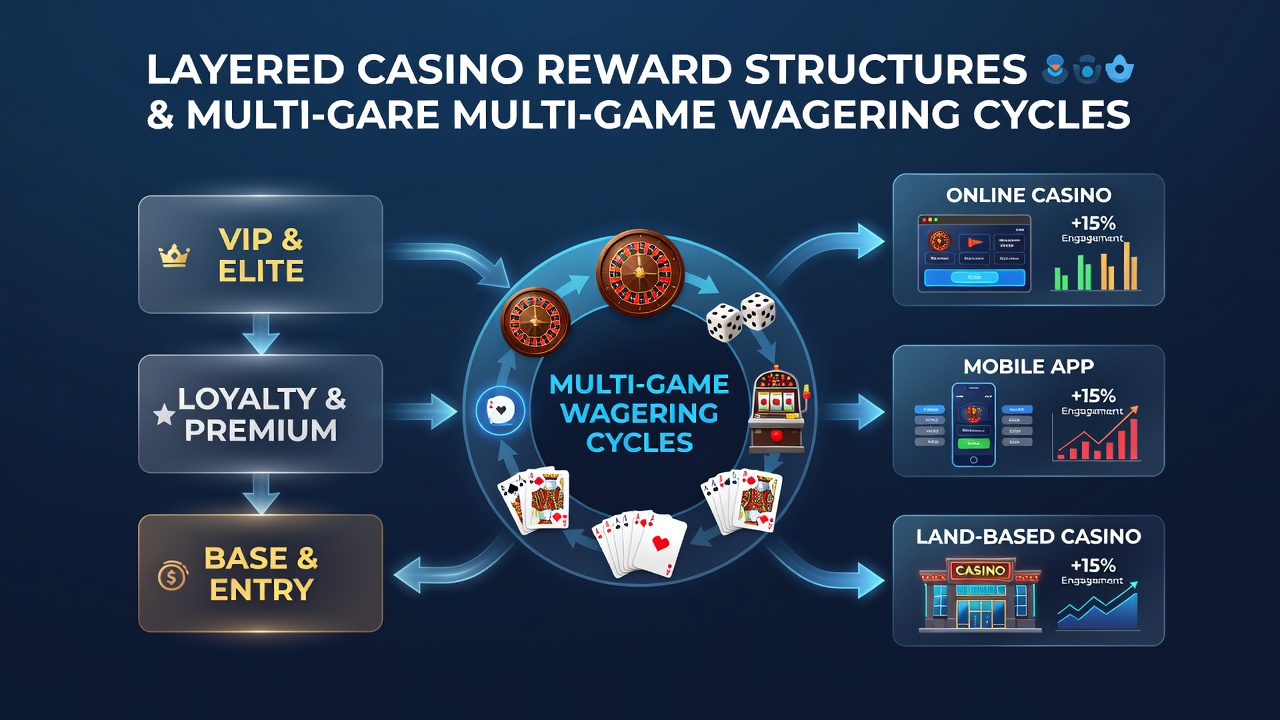
Regulated casino platforms structure loyalty programs with multiple tiers that accumulate points across slots, table games, and video poker, and these systems encourage players to rotate through various wagering options to reach higher reward levels, according to industry data from 2026. Points often convert into free play credits, cashback percentages, or exclusive event access, while each game category contributes differently to the overall tally, which pushes participants into extended sequences that span multiple formats rather than remaining fixed on one type.
Tiered Loyalty Programs and Point Allocation Patterns
Operators assign base point values that vary by game volatility and house edge, so slots might generate one point per dollar wagered while blackjack contributes at a reduced rate, yet table game play often unlocks faster tier progression when combined with volume bonuses. Data collected through August 2026 shows average players advancing through bronze, silver, and gold levels by distributing bets across at least three distinct game families within a single month, and this distribution stems directly from published payout tables that reward breadth over concentration. Regulated jurisdictions require transparent disclosure of these rates, which allows observers to track how the structure sustains longer sessions without violating responsible gaming thresholds.
Transition Triggers Within Wagering Sequences
Once a player reaches a mid-tier threshold, automated offers frequently include multipliers that apply only when the same account engages video poker or roulette before returning to slots, creating natural handoffs between game types. Research from academic sources indicates these prompts reduce session drop-off rates by aligning bonus windows with the point-earning pace of each category, and participants respond by shifting stakes to maintain momentum toward the next reward unlock. In practice this produces cycles where initial deposits fund slot play for rapid point accrual, followed by table game segments that convert accumulated value into higher-stakes opportunities, then back to lower-volatility options once new credits activate.
Cross-Platform Integration on Licensed Environments
Multi-site operators link accounts across desktop and mobile versions under single regulatory licenses, which means progress toward a reward tier carries over when a user switches from online slots to live dealer tables hosted on the same platform family. Figures from state-level oversight bodies in the United States reveal that such integration increases the average number of distinct games played per active account by roughly eighteen percent compared with single-game focused sites, and this occurs because unified ledgers eliminate the need to restart point collection when moving between environments. The mechanism also supports regulatory reporting requirements, since all activity funnels through centralized tracking systems that flag unusual volume spikes while still permitting the layered reward flow.
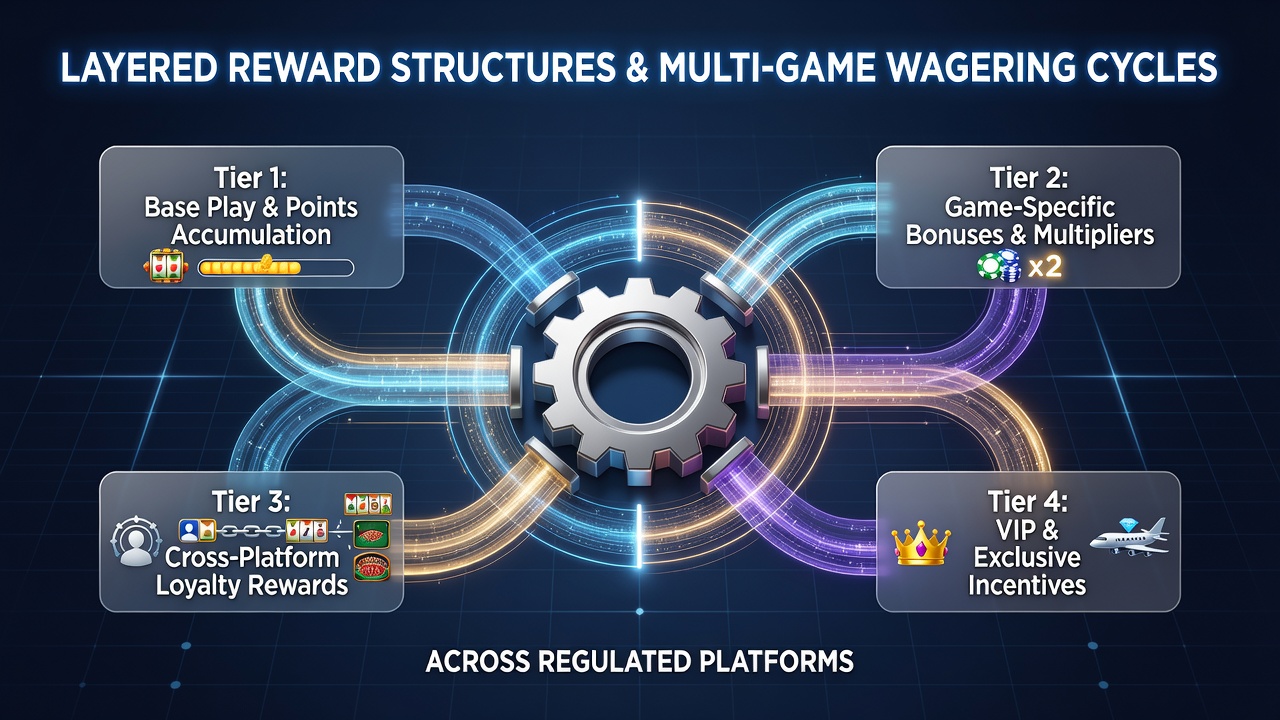
Take one documented pattern where participants begin with no-deposit credits on classic slots, convert early wins into table game wagers that accelerate tier status, and finish the cycle by redeeming accumulated loyalty points on video poker variants that offer favorable point-to-credit ratios. This sequence repeats across thousands of accounts monthly, with the structure itself dictating the order rather than external prompts. Regulated platforms must log each transition for audit purposes, yet the underlying economics remain consistent because each game type contributes measurable revenue that offsets the cost of the distributed rewards.
Regulatory Oversight and Data Transparency Requirements
Licensing authorities in multiple regions mandate public reporting of loyalty program mechanics, which includes average time to tier advancement and distribution of points by game category, and these disclosures allow external analysts to map how reward layering correlates with sustained multi-game activity. A report from Australian parliamentary research services outlines similar dynamics in licensed venues, noting that point systems tied to varied game exposure correlate with longer overall play periods without breaching harm-minimization caps. Meanwhile, university-led studies continue to examine whether the same structures produce measurable shifts in bet sizing as players chase the next tier unlock across different titles.
Conclusion
Layered reward structures on regulated platforms function by assigning differentiated point values and bonus triggers across game types, which in turn generates recurring sequences of play that move participants through slots, tables, and specialty games in predictable order. Data gathered through August 2026 confirms these patterns operate within compliance frameworks that track both participation volume and reward distribution, and the resulting cycles remain visible in aggregate player behavior metrics released by oversight bodies. The architecture therefore connects initial engagement with sustained, multi-format wagering while operating under the transparency rules applied to licensed operators.