Layered Bonus Architectures Reshaping Digital Wagering Platforms in the United States
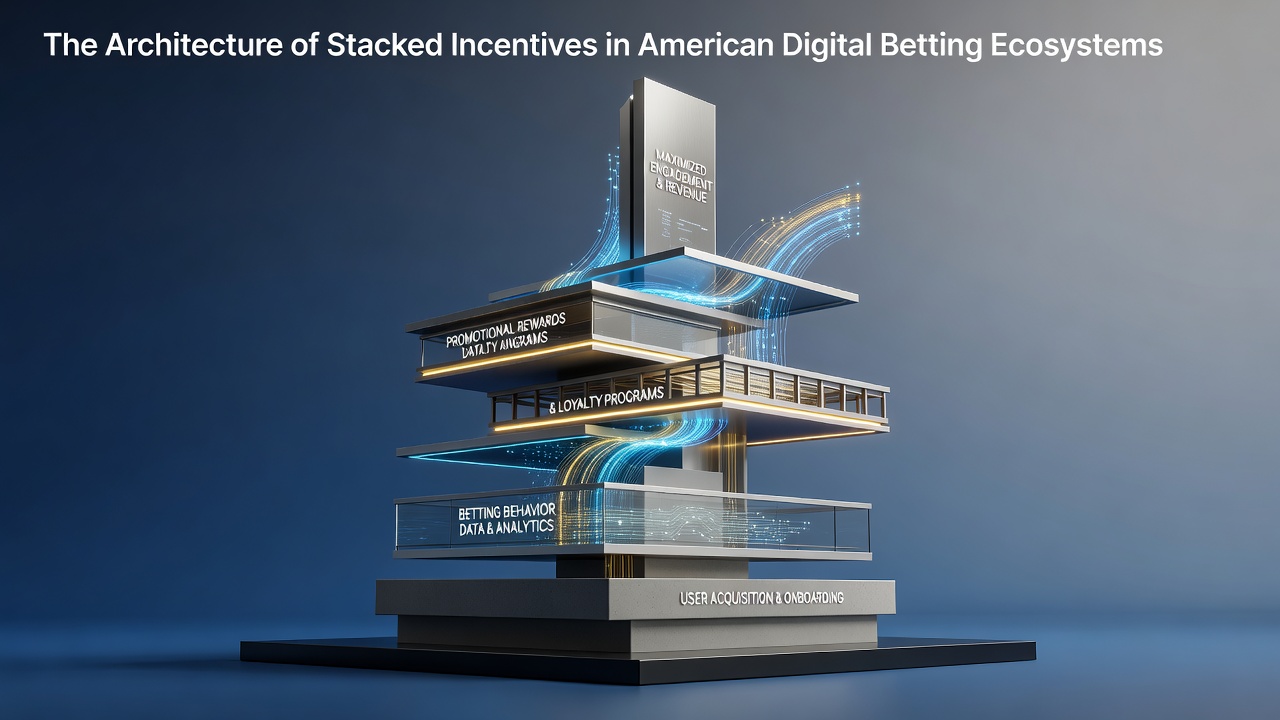
American digital betting platforms have developed intricate systems where multiple promotional layers combine into single user experiences, and these structures emerged as operators responded to state-by-state legalization waves that accelerated after 2018. Data from industry tracking services shows that operators now routinely present welcome packages, ongoing reload credits, cashback tiers, and loyalty point multipliers that users can activate sequentially or simultaneously depending on platform rules. This approach creates pathways where initial deposits unlock secondary offers that then feed into tertiary rewards, all while complying with varying state regulations on bonus structures.
Core Components of Incentive Stacking
Operators design these systems around distinct categories that include deposit matches, free bet credits, and no-deposit entry points, and each category carries its own wagering requirements that determine how quickly funds convert to withdrawable balances. Research conducted by the American Gaming Association indicates that average bonus values across major sportsbooks ranged between 50 and 150 percent of initial deposits during the first half of 2026, with some platforms extending additional layers for users who maintain activity across multiple product verticals such as sportsbooks and casino sections. Those who track user behavior patterns note that successful stacking often depends on timing, because many offers carry expiration windows that range from seven to thirty days.
Platform algorithms now monitor account activity to present personalized combinations, and this personalization draws from deposit history, game preferences, and retention metrics that operators refine through A/B testing cycles. External data providers report that users who engage with at least three stacked components within a single session demonstrate higher lifetime value compared with single-offer participants, although exact figures vary by operator and state market.
Regulatory Influences on Promotion Design
State gaming boards impose limits on bonus advertising language and maximum values, and these constraints force operators to structure incentives through internal account credits rather than direct cash distributions in certain jurisdictions. For instance, New Jersey and Pennsylvania regulators require clear disclosure of wagering multipliers, which typically range from 5x to 25x depending on the promotion type, and operators adjust their stacking sequences accordingly to maintain compliance. Nevada's control board maintains separate guidelines that emphasize responsible gaming messaging within promotional materials, influencing how platforms sequence their offers for users located in that market.
Operators have adapted by creating modular systems where users select from available layers rather than receiving pre-bundled packages, and this flexibility allows platforms to meet diverse regulatory requirements while preserving the overall stacking architecture. Figures released by state regulators show steady growth in licensed accounts through mid-2026, with July numbers reflecting continued expansion in states that legalized mobile betting during the prior two years.

Technical Implementation Across Platforms
Backend systems track each incentive layer through unique identifiers that prevent overlap conflicts, and these identifiers link directly to user accounts so that requirements from one offer do not interfere with another unless the operator explicitly permits combined progress. Software providers such as those supplying major sportsbook engines have integrated dashboard tools that display remaining wagering progress across all active bonuses in a single view, reducing user confusion that previously arose from separate tracking pages. Updates deployed in early 2026 introduced real-time notifications when one layer completes and another becomes available, creating seamless transitions between promotional stages.
Third-party analytics firms have documented that platforms employing unified tracking see reduced customer support inquiries related to bonus status, and these reductions translate into operational efficiencies that operators reinvest into additional incentive layers. The architecture requires careful balance between generosity and sustainability, because excessive stacking can accelerate bonus abuse patterns that operators detect through pattern recognition algorithms.
Market Data and Usage Patterns
Reports from academic researchers at institutions studying gambling economics highlight that stacking frequency peaks during major sporting events when operators release temporary boosted offers that complement existing loyalty structures. July 2026 data revealed increased activity around baseball season promotions, where daily reload credits combined with parlay insurance features to extend user engagement periods. Observers note that mobile applications facilitate faster cycling between layers because push notifications and in-app wallets reduce the friction associated with desktop-only interfaces.
Industry associations have compiled comparative studies across states, revealing that markets with fewer regulatory restrictions on bonus values tend to feature deeper stacking options, while stricter jurisdictions limit the number of simultaneous active offers per account. These differences create varied user experiences depending on geographic location even when the same parent company operates multiple state-specific platforms.
Conclusion
The architecture of stacked incentives continues to evolve as operators refine their technical capabilities and respond to regulatory adjustments across expanding state markets. Data indicates sustained adoption of multi-layer systems that connect initial acquisition offers with retention mechanisms, supported by increasingly sophisticated tracking infrastructure. Those monitoring the sector expect further refinements in personalization and compliance tools as additional states finalize their regulatory frameworks in coming quarters.