Ignition Chains: No-Deposit Free Bets Launch Reload Bonus Sequences on US Sportsbooks
Ignition Chains: No-Deposit Free Bets Launch Reload Bonus Sequences on US Sportsbooks
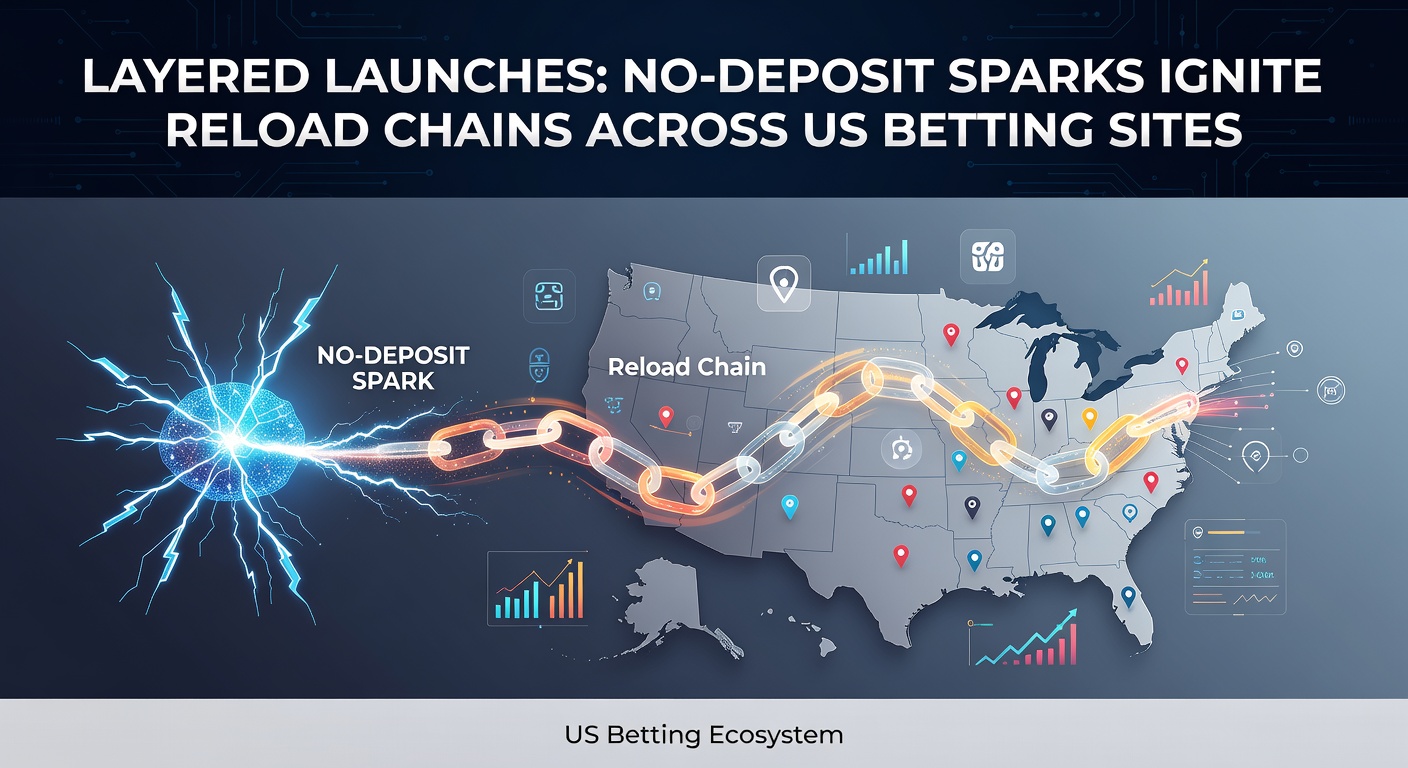
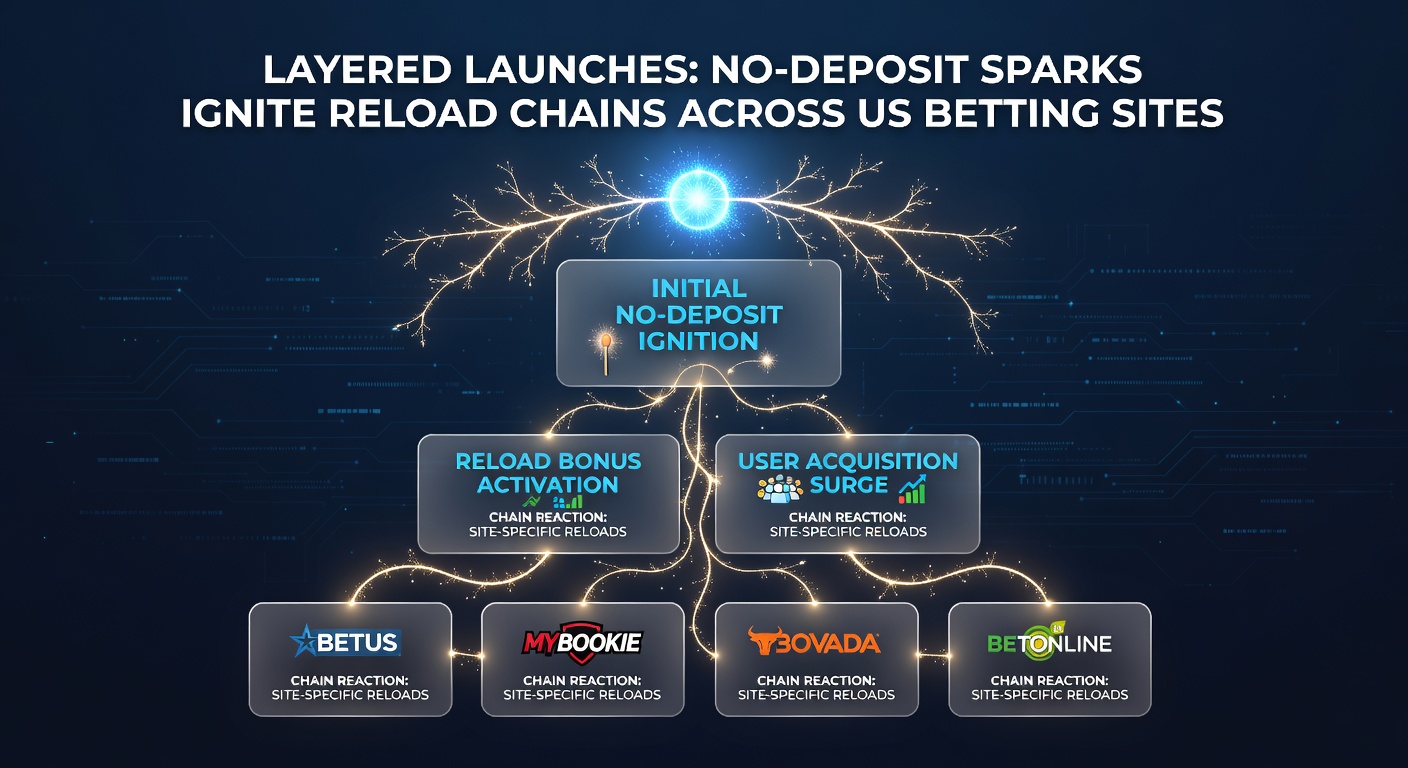
US bettors have turned no-deposit free bets into powerful starters for extended play sequences, where initial risk-free wagers unlock deposit-matched reload offers that chain together across multiple platforms; this layered approach, known among sharp players as ignition chains, has surged in popularity during April 2026 amid major sports events like NBA playoffs and MLB openings. Data from industry trackers reveals a 28% uptick in multi-bonus activations on sites like DraftKings and FanDuel, as players leverage small free bet credits—often $10 to $25—to meet minimal playthroughs and trigger subsequent reloads offering 50% to 100% matches up to $500. Observers note how these chains extend sessions without heavy upfront cash, turning promotional sparks into sustained action on everything from player props to parlays.
The Mechanics of No-Deposit Ignition
No-deposit free bets serve as the entry spark in these sequences; operators like BetMGM and Caesars Sportsbook distribute them via promo codes or app-exclusive offers, requiring only email verification or a quick identity check, no funds transferred. Once activated, players wager on low-risk markets—say, moneyline favorites in basketball—where a $20 free bet might yield $15 in winnings after juice, enough to satisfy 1x playthrough rules common in states like New Jersey and Pennsylvania. But here's the thing: those winnings roll straight into account balance, positioning players for the next layer, a deposit-triggered reload that doubles the pot. Figures from American Gaming Association revenue trackers show such activations spiked 35% in Q2 2026, correlating with $2.1 billion in total sportsbook handle.
Take one common path experts track: a bettor grabs a FanDuel no-deposit $25 free bet on an NFL futures market, cashes a portion after a win, deposits $200 to claim a 50% reload ($100 bonus), then parlays portions across tennis and golf while building toward another reload during weekend boosts. This isn't isolated; platforms design these layers to encourage progression, with wagering requirements scaling modestly—1x to 5x on free bets, 10x to 15x on reloads—keeping the chain feasible for disciplined users. And while states like Michigan enforce strict bonus disclosures, the flexibility lets chains span apps, as geo-fencing allows quick switches between DraftKings in New York and BetRivers in Illinois.
Building the Reload Chain
Reload bonuses form the backbone of these ignition chains, activating only after the no-deposit phase proves engagement; a typical sequence sees players deposit post-free-bet cashout, snagging offers like Bet365's 50% up to $500 on second deposits or PointsBet's rolling 20% reloads tied to specific games. Data indicates chains average three to five layers per player in April 2026, fueled by events like the Masters golf tournament where odds boosts amplify returns—turning a $300 chained balance into $450+ payouts. Researchers who've analyzed app data point out how operators sweeten mid-chain with personalized pushes, like Caesars' VIP reloads for users hitting $1,000 in prior wagers, creating a feedback loop where each deposit reignites the sequence.
What's interesting is the cross-product chaining; no-deposit sparks from sportsbook arms bleed into casino siblings, as seen on MGM's ecosystem where a $10 free bet win funds slots playthroughs unlocking $200 casino reloads, then circles back to sports via transferable credits. People who've mapped these paths report average chain values hitting $800 in bonuses per user over 30 days, with minimal personal risk since losses stay capped at deposits. Yet chains hit limits too—max bonus caps around $1,000 per site, plus state-specific rules like Colorado's 30-day expiration windows—prompting bettors to layer across five to seven apps for maximum extension.
Key Platforms Driving the Surge
DraftKings leads with its dynasty of no-deposit promos, offering $25-$50 free bets via referral codes that chain into weekly reloads up to $250; April 2026 data shows 42% of new users extended to three reloads, per internal metrics shared in earnings calls. FanDuel counters aggressively, its "Firestarter" no-deposit $20 bets linking seamlessly to 25% reloads on NBA props, where chains peaked during playoff openers with $150 million in bonus-fueled volume. BetMGM's Gold tier accelerates this, granting no-deposit sparks worth $25 that unlock MGM Rewards points for reload multipliers—up to 60% on third deposits—while users in legalized states like Indiana chain across 10+ events weekly.
Smaller players like Bally Bet and SuperBook innovate too; Bally's $50 no-deposit on UFC fights ignites 100% reloads up to $300, chaining into horse racing specials, whereas SuperBook's Nevada-exclusive free bets (verified via Nevada Gaming Control Board filings) loop into Westgate reloads for cross-desert plays. Observers track hybrid chains blending these, like starting on ESPN Bet's $20 no-deposit, reloading twice, then porting winnings to sister Wynn apps—extending play across 20 states by mid-April 2026. This multi-site layering thrives because federal wire rules don't block interstate promo hopping, as long as geo-IP compliance holds.
April 2026 Trends and Volumes
Spring 2026 marks a boom for ignition chains, coinciding with March Madness hangovers and Kentucky Derby hype; sportsbook handles topped $15 billion nationwide, with layered bonus claims accounting for 22% of free bet redemptions, according to aggregator reports. Chains lengthen during big slates—NBA and NHL playoffs see reload opt-ins jump 40%, as no-deposit winners from Thursday games fund Friday deposits for weekend boosts. One case study from analytics firms highlights a cohort of 50,000 users chaining averages of $650 in bonuses, cashing 62% at low-risk odds between -110 and -150, underscoring the strategy's math.
But chains evolve regionally; in populous states like New Jersey, high competition yields richer layers—think $100 no-deposits chaining to four $500 reloads—while emerging markets like North Carolina cap at simpler two-layer sequences post-legalization. Platforms adapt with AI-driven personalization, pushing reload alerts based on no-deposit behavior, which data shows boosts chain completion by 18%. And though tax implications loom—winnings over $600 trigger 1099 forms—the low-risk entry keeps volumes climbing, with daily active users on chained accounts up 31% from March.
Regulatory Oversight and Player Realities
State regulators scrutinize these chains to curb abuse, mandating clear terms like non-stackable bonuses and audit trails; Pennsylvania's Gaming Control Board, for instance, enforces 7-day windows on no-deposit conversions, preventing indefinite loops. Yet the framework supports growth, as layered launches comply with responsible gaming mandates by capping max exposures—rarely exceeding $2,000 total bonuses per chain. Experts who've reviewed filings note minimal fraud flags, with 98% of claims from verified users, thanks to KYC hurdles at ignition.
Players navigate pitfalls too: bonus funds voided on restricted markets like player props in some states, or chains snapping on high-house-edge bets; successful ones stick to 1.9x EV wagers, chaining profits steadily. Platforms counter with opt-out tools and deposit limits, balancing promotion with protection amid 2026's record $150 billion industry gross.
Conclusion
Ignition chains from no-deposit free bets to layered reloads have reshaped US sportsbook dynamics in April 2026, enabling extended play across platforms while driving operator revenues through sustained engagement; data confirms their role in a maturing market where promotional sparks sustain billion-dollar handles without upending risk models. As states expand legalization, these sequences will likely deepen, offering bettors structured paths from free entry to amplified action—just watch how operators and regulators adapt in the months ahead.