How Promotional Codes Reshape Extended Gaming Habits in US Poker Rooms and Casino Settings
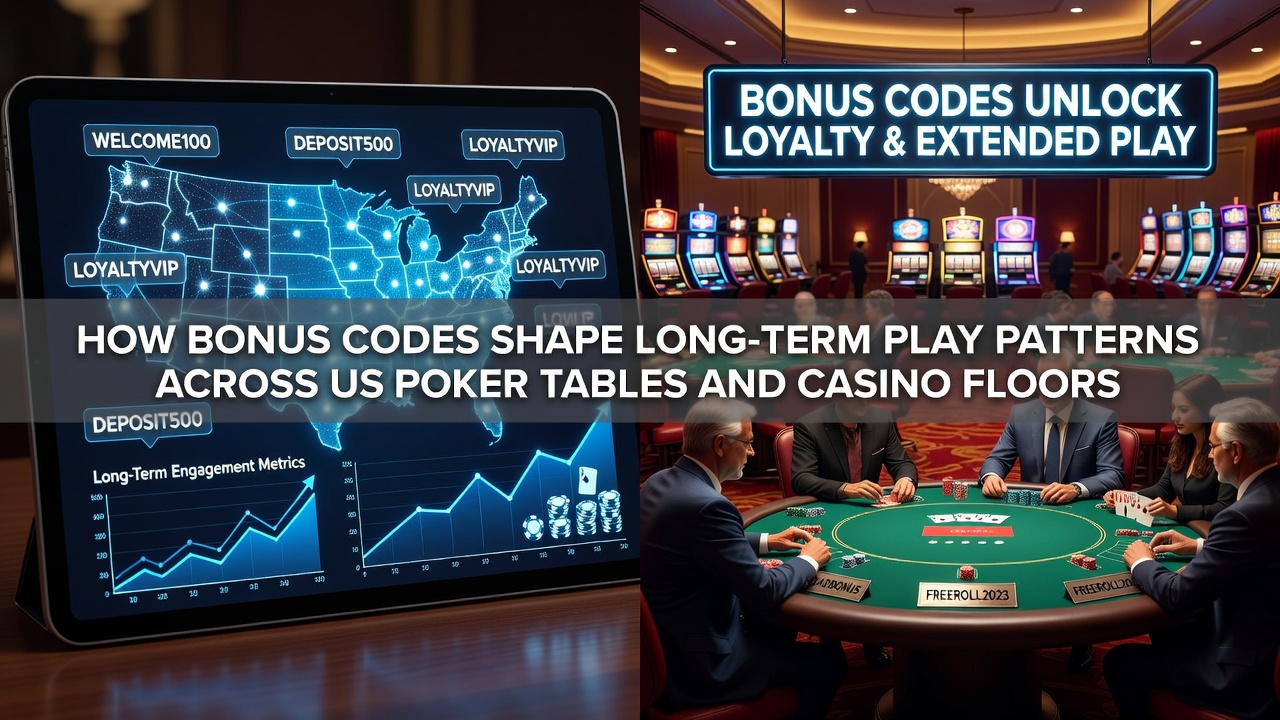
Promotional codes have become central tools that operators deploy across US poker rooms and casino floors, and data from state regulators shows these incentives directly influence how players structure their time at the tables. Patterns emerge when codes tie rewards to minimum play requirements, session milestones, or multi-game participation, leading participants to extend visits or return on specific schedules rather than spontaneous ones.
Mechanics Behind Code-Driven Engagement
Operators structure bonus codes to reward volume through tiered releases, and this setup encourages players to maintain consistent activity levels over weeks or months instead of isolated sessions. Research from the Nevada Gaming Control Board indicates that coded promotions correlate with measurable increases in average session duration at poker tables, particularly when codes unlock additional tournament entries or cash game rake credits after set hours of play.
Those patterns differ between poker environments and broader casino floors because poker codes often emphasize skill-based continuity while slot or table game codes focus on spin counts or bet totals, yet both steer participants toward longer cumulative exposure.
Patterns Observed at Poker Tables
Players who redeem poker-specific codes frequently adopt structured schedules that align with code expiration windows, and this behavior produces steadier foot traffic during mid-week periods that previously saw lower volumes. Observers note that many participants rotate between cash games and tournaments when codes provide hybrid benefits, creating a diversification effect that keeps individuals engaged across multiple formats within single visits.
Figures from regional reports in states with expanded poker offerings reveal that code users tend to increase their total hands played per month by measurable margins compared with non-code users, while frequency of table switches within a session also rises when codes reward variety. This shift alters table dynamics because longer individual stays change seat turnover rates and influence how dealers and floor staff allocate resources.
Effects Across Casino Floors
Casino floor data collected through player tracking systems demonstrates that codes tied to non-poker games produce distinct retention curves, where participants extend machine or table time to meet unlock thresholds before moving to other activities. In July 2026, several properties reported sustained upticks in evening floor occupancy linked to codes that activated after initial deposit or play milestones, suggesting operators use these tools to smooth demand across peak and off-peak hours.
What's interesting is how codes that bridge poker rooms with slot or table game areas encourage cross-floor movement, and this movement creates new circulation patterns that operators track through heat mapping. Participants who begin with poker code redemptions often migrate to other sections when follow-on rewards apply, resulting in broader utilization of floor space rather than concentration in single zones.
Long-Term Behavioral Shifts Documented in 2026
Studies conducted by university research teams tracking anonymized player data over multi-month periods show that repeated code use correlates with higher loyalty program tier advancement rates, which in turn lock players into more frequent visits to maintain status benefits. This cycle produces predictable monthly calendars where code expiration dates serve as anchors for planned activity rather than random outings.
Evidence from industry reports compiled by the American Gaming Association highlights that properties offering sequenced code releases experience steadier year-over-year player retention metrics, particularly among those who combine poker and non-poker play. The same data sets indicate reduced variance in daily headcounts when codes incorporate progressive elements that reward cumulative play across several weeks.
Regional differences appear when comparing markets with varying regulatory frameworks, and Canadian provincial data from the Alcohol and Gaming Commission of Ontario provides useful contrast by showing similar session-extension effects under different bonus structures. Those comparisons help clarify which code features translate most consistently across jurisdictions.
Conclusion
Bonus codes continue to function as structural elements that shape how players allocate time across US poker tables and casino floors, with documented effects on session length, visit frequency, and cross-game movement. State-level tracking systems and academic analyses provide ongoing measurements of these patterns, and the data through mid-2026 confirms that code design choices produce measurable, sustained changes in participation rhythms rather than temporary spikes alone. Operators and regulators alike monitor these trends to understand long-term floor utilization and player distribution across venues.