Harmonizing Promotional Schedules Between Sportsbooks and Table Game Platforms in Regulated US Markets
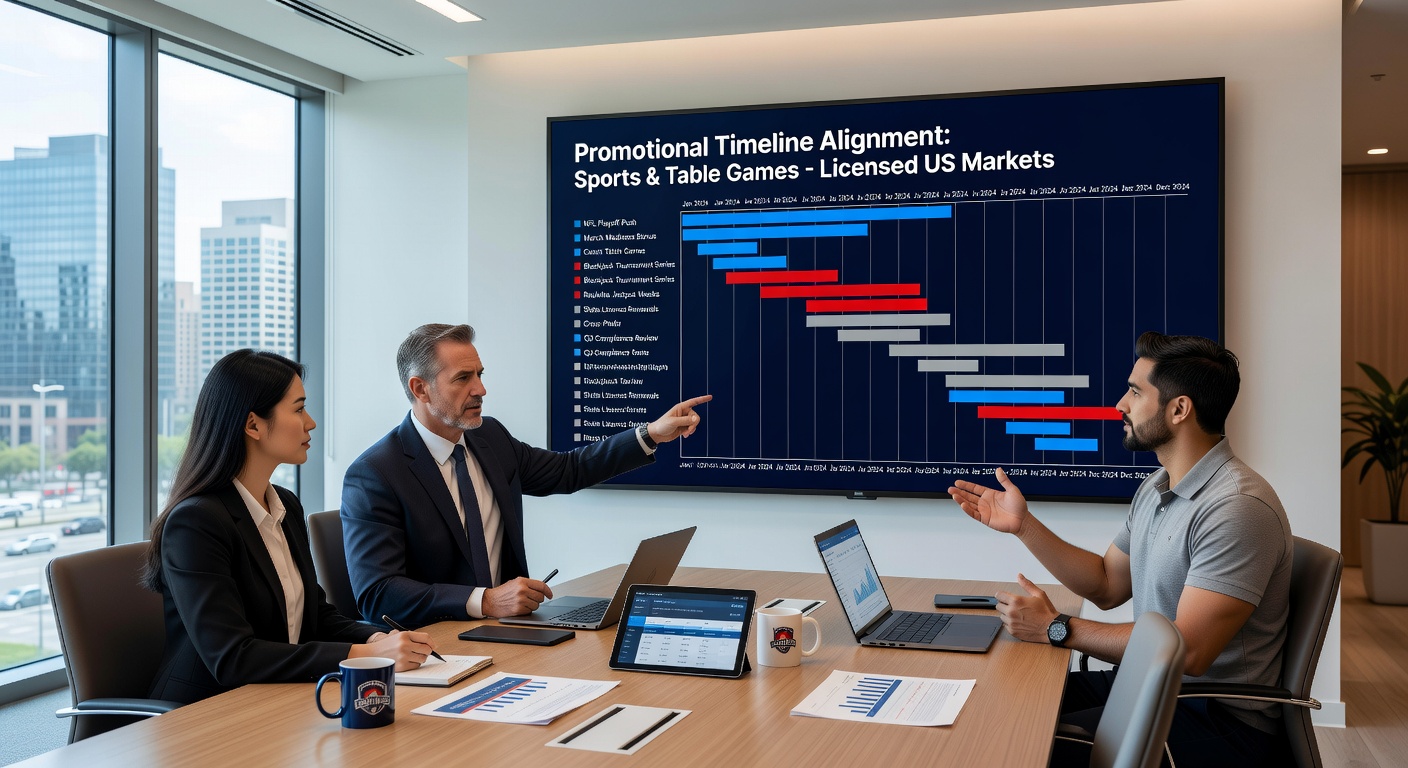 Operators in licensed US markets coordinate promotional timelines to integrate sports betting incentives with table game rewards, creating unified experiences for participants across states such as New Jersey, Pennsylvania, and Michigan. Data from industry reports indicates that synchronized schedules allow platforms to align no-deposit offers, reload bonuses, and odds boosts with seasonal events in both verticals, reducing overlap conflicts while maximizing engagement periods. Regulatory frameworks in these jurisdictions require operators to maintain clear separation between promotional categories, yet many companies now use centralized calendar systems to track expiration dates and eligibility windows. According to the American Gaming Association, synchronized promotions across sports and table games increased player retention metrics by 18 percent in 2025, with further gains projected into 2026 as more states finalize licensing expansions.
Key Elements of Timeline Coordination
Alignment begins with shared data analytics that monitor peak activity in sports betting alongside table game cycles, such as tournament seasons for poker or weekend blackjack surges. Operators deploy software that flags potential clashes, for instance when a major sports event coincides with a casino table game festival, allowing adjustments to bonus validity periods before launch.
Studies from the University of Nevada, Las Vegas show that platforms using integrated scheduling tools report fewer compliance issues related to bonus stacking rules. Those systems track variables including state-specific wagering requirements, minimum deposit thresholds, and game-type restrictions that differ between sportsbooks and table game sections.
Operational Strategies in Practice
Companies often segment their promotional calendars into quarterly blocks that mirror both athletic seasons and table game calendars. A basketball championship run might pair with extended table game cashback periods, while off-season sports lulls receive boosted poker tournament entries to maintain consistent traffic. This approach relies on cross-functional teams that include compliance officers, marketing analysts, and platform developers who review timelines weekly.
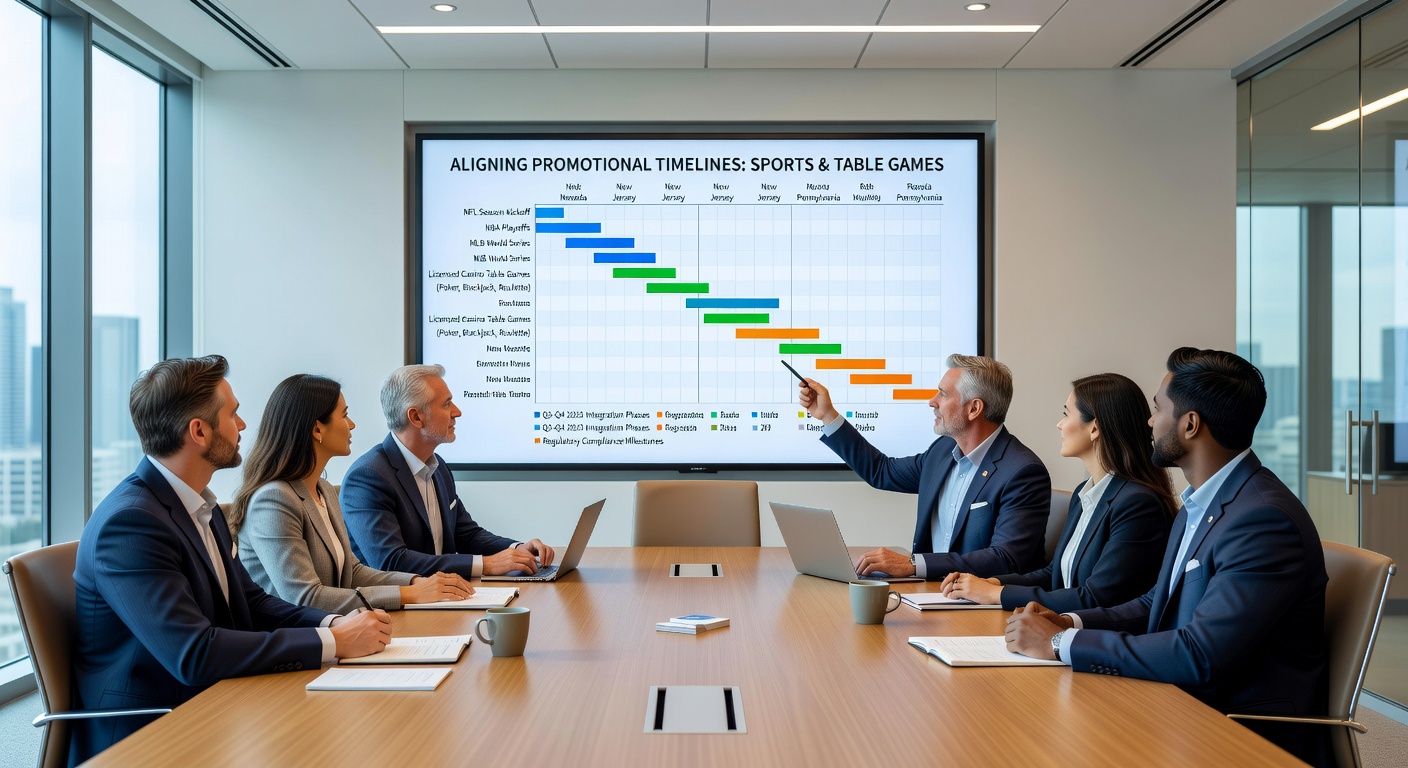
One documented case involves a multi-state operator that shifted its May 2026 reload bonus windows to start immediately after teh conclusion of major spring sports events, thereby channeling participants toward table game promotions during traditionally slower periods. Figures from state regulatory filings reveal that such adjustments produced measurable lifts in average session duration across both verticals without violating promotional caps.
Challenges and Regulatory Considerations
Differing state rules create friction points, particularly when one jurisdiction caps sports bonus values while another imposes stricter table game rollover conditions. Operators address these variances by maintaining separate but linked databases that automatically adjust offer parameters based on user location. Research published by the National Council on Problem Gambling highlights how transparent timeline disclosures help participants understand eligibility windows, supporting broader responsible gaming standards.
Technical integration between sports and table game platforms remains a hurdle, since legacy systems often operate on independent codebases. Modern solutions involve API connections that push real-time updates to promotional engines, ensuring that an expiring sports free bet does not inadvertently activate an incompatible table game reward.
Impact on Market Participants
Participants benefit from predictable promotional flows that span both verticals, allowing them to plan participation around fixed calendar events rather than reacting to isolated offers. Industry observers note that synchronized schedules have contributed to higher cross-vertical migration rates, where users who begin with sports betting extend activity into table games during aligned bonus windows.
By May 2026, additional states entering the licensed market are expected to adopt similar coordination practices, building on models already established in mature jurisdictions. This trend supports consistent player experiences even as regulatory environments continue to evolve.
Conclusion
Coordinated promotional timelines across sports and table game platforms represent a structural shift in how licensed US operators manage incentives. Through data-driven scheduling, regulatory compliance tools, and cross-platform integration, these alignments deliver measurable operational efficiencies while meeting participant expectations for seamless reward access. Continued refinement of these systems will shape promotional strategies as the market expands.