Event-Driven Algorithms: US Players Synchronizing Promotional Tiers With Live Data Streams
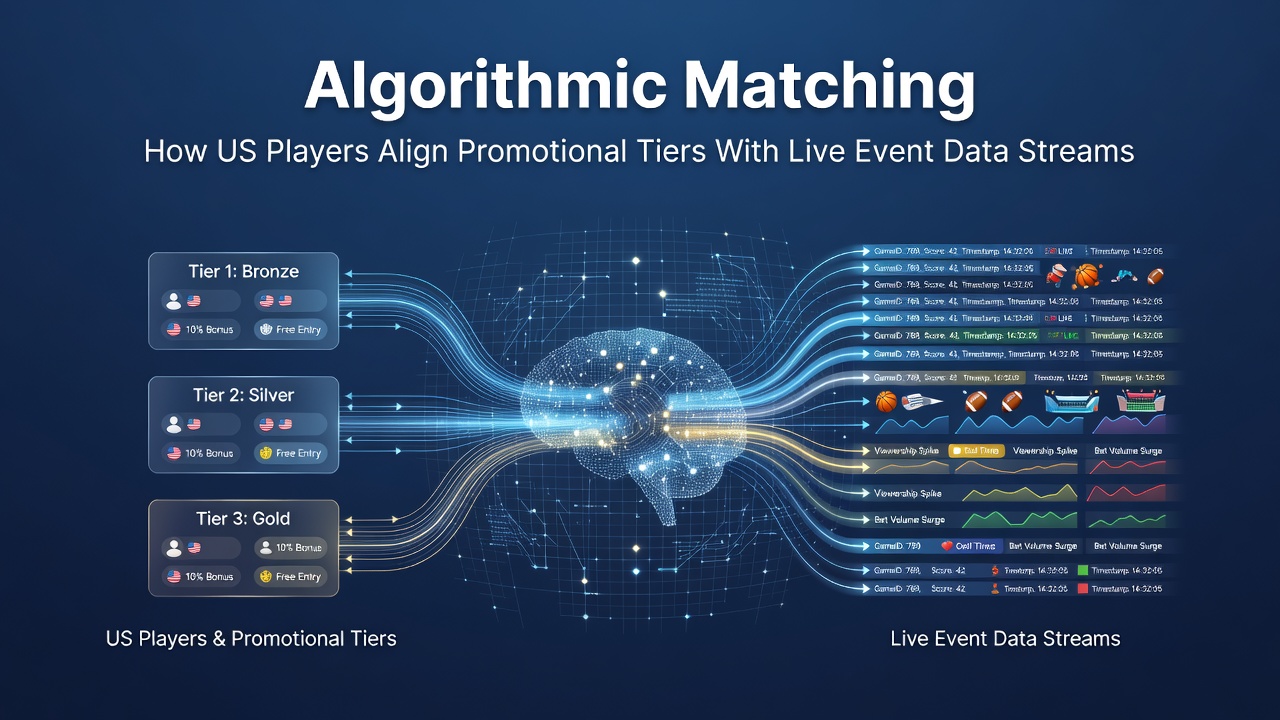
US betting platforms have integrated algorithmic systems that connect promotional tiers directly to incoming live event data streams, allowing players to adjust reward levels based on real-time metrics such as score updates, odds shifts, and participation volume. These matching processes rely on data feeds from sportsbooks and casinos that process thousands of events daily, with synchronization occurring through backend rules engines that evaluate player activity against tier thresholds.
Core Components of Algorithmic Matching
Promotional tiers in US markets typically range from entry-level rewards to exclusive VIP structures, and algorithmic matching evaluates criteria including bet frequency, stake amounts, and event-specific engagement. Data streams supply variables such as current game momentum indicators and market liquidity figures, which algorithms then cross-reference against player profiles stored in centralized databases. According to reports from the American Gaming Association, operators processed over 1.2 billion sports betting transactions in the first half of 2026, many of which triggered tier adjustments through automated scripts running on cloud infrastructure.
Matching logic often incorporates conditional statements that trigger when live data meets predefined thresholds, for instance elevating a player from silver to gold tier after accumulating sufficient points during a high-volume NFL game window. Engineers design these scripts to handle latency under 200 milliseconds, ensuring tier changes reflect event developments without lag that could affect bonus eligibility.
Integration With Live Event Feeds
Live data streams originate from official league partners, third-party aggregators, and proprietary sensors that capture play-by-play information, weather conditions, and betting market movements. Algorithms parse these feeds using natural language processing for unstructured commentary alongside structured JSON payloads that detail point spreads and total lines. Players observe tier alignment when their account dashboards update automatically as events progress, with points accruing from correlated actions like live in-play wagers that match tier multiplier rules.
One documented approach involves weighting algorithms that assign higher values to data points from marquee events, such as NBA playoff games, compared to regular-season contests. This weighting system helps platforms maintain balanced promotional distribution while responding to fluctuating user volumes reported across state-regulated markets in June 2026.
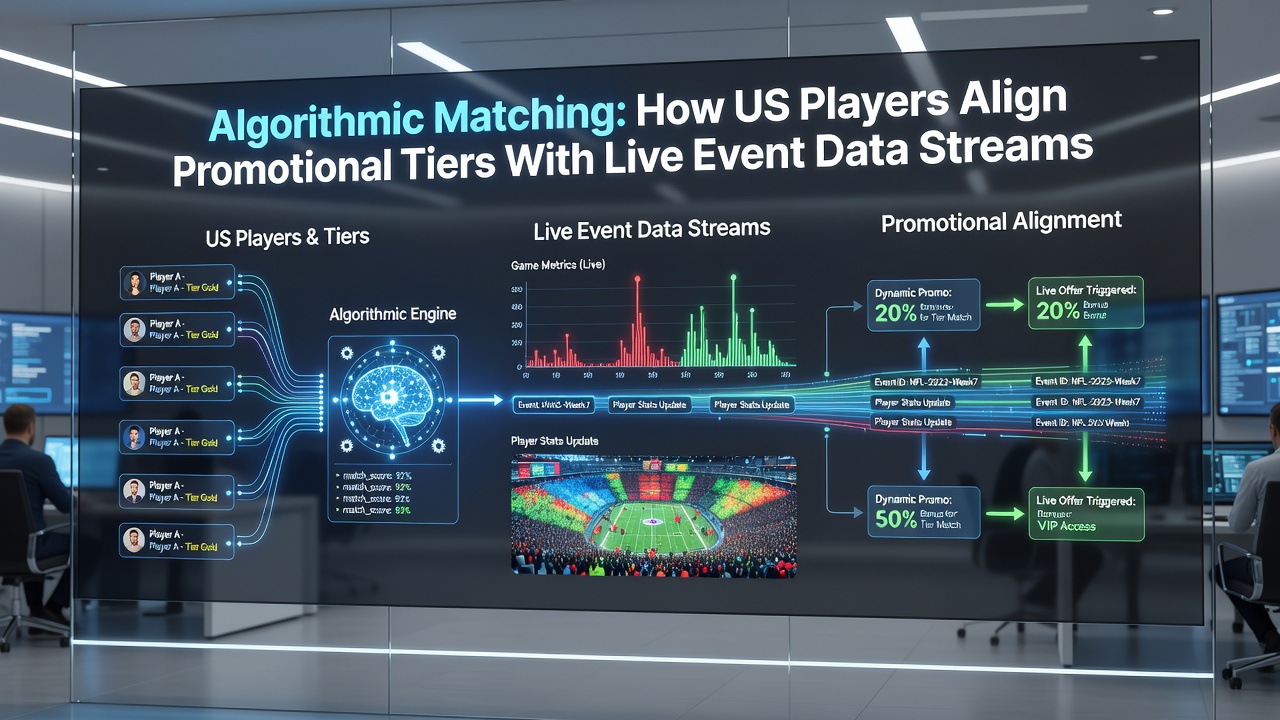
Platforms further refine matching through machine learning models trained on historical event datasets, where past correlations between data spikes and tier upgrades inform predictive adjustments. These models process inputs from multiple streams simultaneously, including social sentiment indicators scraped from public APIs, to forecast when promotional opportunities might peak during live broadcasts.
Player Strategies and Platform Tools
US players access tier synchronization tools through mobile apps and web interfaces that display live data overlays alongside current promo status. These interfaces allow manual overrides in some cases, though most alignment happens automatically once accounts link to event tracking modules. Observers note that participants often monitor multiple streams at once, timing their activity to coincide with algorithm-friendly data patterns such as rapid score changes that unlock bonus multipliers.
Research from the University of Nevada's gaming analytics program indicates that synchronized tier systems increased average session durations by 18 percent among tracked users in early 2026, as players extended participation to meet escalating reward criteria tied to ongoing events. Tools provided by operators include API endpoints that let advanced users query stream data directly, enabling custom scripts that alert when tier thresholds approach based on incoming metrics.
Regulatory and Compliance Considerations
State gaming authorities across the US require that algorithmic matching systems undergo independent audits to verify fairness in how live data influences promotional outcomes. Compliance documentation typically covers data encryption standards, audit trails for tier changes, and safeguards against manipulation of event feeds. In June 2026 several jurisdictions updated guidelines to mandate transparency reports detailing how algorithms handle edge cases, such as event postponements or data outages, ensuring players receive consistent tier treatment regardless of stream interruptions.
Operators maintain logs that link specific data stream events to tier modifications, allowing regulators to review alignment accuracy during routine inspections. This framework supports responsible gaming measures by capping automatic tier escalations during extended play periods identified through continuous data monitoring.
Emerging Developments in Mid-2026
Platform updates rolled out around June 2026 introduced enhanced multi-stream aggregation that combines traditional sports data with emerging categories such as esports tournaments and political event betting where permitted. Algorithms now incorporate cross-category matching, letting players transfer tier progress between verticals when live feeds indicate overlapping engagement opportunities.
Industry reports highlight increased adoption of edge computing nodes positioned near major data centers, which reduce processing delays and improve synchronization precision during peak event hours. These infrastructure shifts coincide with growing player demand for granular control over how promotional tiers respond to nuanced live metrics like player injury reports or referee statistics.
Conclusion
Algorithmic matching continues to evolve as US betting environments integrate denser live data streams with tiered promotional structures, creating systems where player rewards adjust dynamically to event realities. Data from regulatory filings and academic studies shows consistent growth in automated alignment usage, driven by technical improvements in feed processing and compliance protocols. Platforms that refine these connections maintain competitive positioning while meeting oversight requirements across expanding state markets.