Code Sequence Tracing in Poker Registrations and Sports Betting Incentives
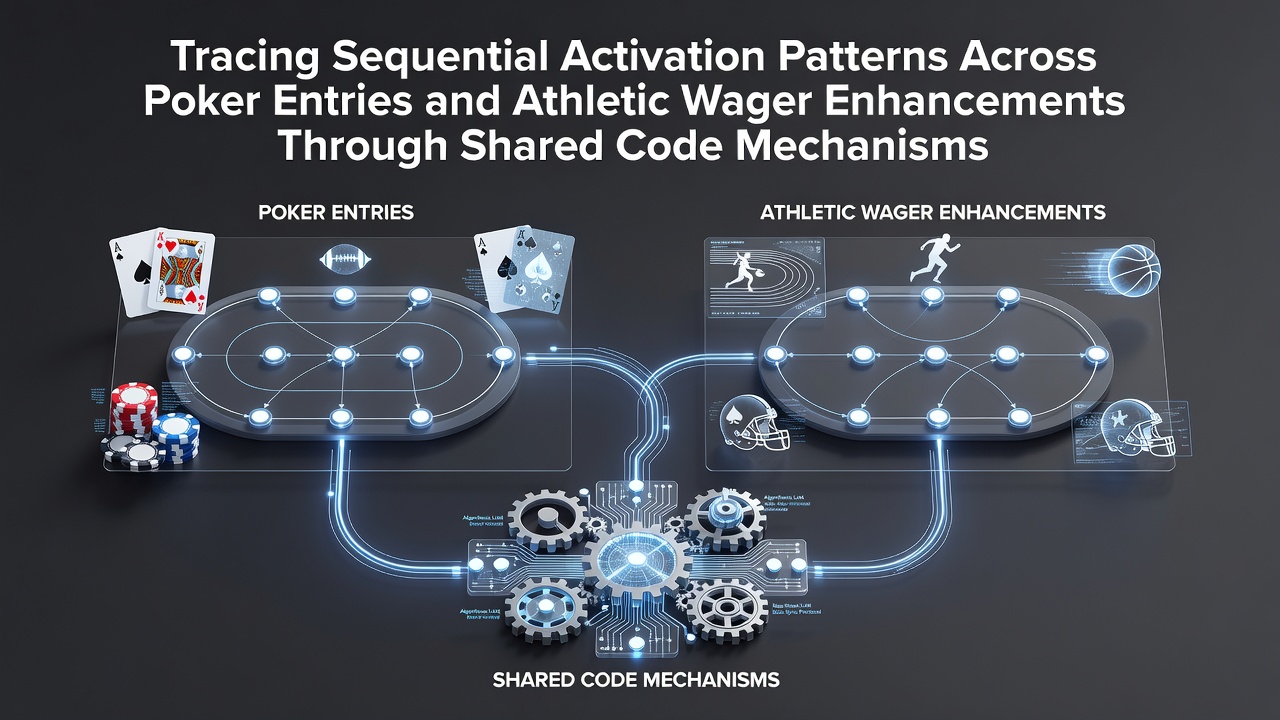
Operators across multiple platforms have developed shared code mechanisms that connect poker entries with athletic wager enhancements, allowing players to move through sequential activation steps using single identifiers issued at registration. These systems record each step where a code from one product category unlocks rewards in another, creating traceable patterns that appear in transaction logs maintained by the platforms themselves.
Shared Code Infrastructure Basics
Platforms issue alphanumeric strings during poker account creation that later serve as entry points for sports betting incentives, with backend databases linking the initial poker registration to subsequent wager adjustments. Data logs show these codes often contain embedded markers that signal eligibility for both categories, while operators track usage timestamps to verify sequential compliance with terms that require activity in one area before unlocking the next. In July 2026 reports from industry tracking services, such linkages accounted for measurable portions of cross-product redemptions in several major markets.
Activation Sequence Documentation
Sequential patterns begin when a player completes poker registration and receives the code, after which the same string is entered into a sports betting interface to trigger bonus credit or odds adjustment. Logs maintained by participating sites record the interval between these steps, revealing common time gaps that range from minutes to several days depending on platform rules. Observers note that certain code prefixes correlate with higher rates of successful transfers between poker and athletic products, a detail visible in aggregated anonymized datasets released by research groups.
Pattern Analysis Across Markets
Studies conducted by academic teams have mapped recurring sequences where poker-derived codes activate enhanced payout structures in sports wagering, with frequency counts indicating clusters around major event periods. One examination of transaction records from North American operators found that codes activated within 48 hours of poker play showed elevated continuation rates into athletic bets compared with standalone issuances. Australian regulatory filings similarly document parallel mechanisms, where shared identifiers link state-licensed poker rooms to sports book enhancements without requiring separate verification steps in each category.
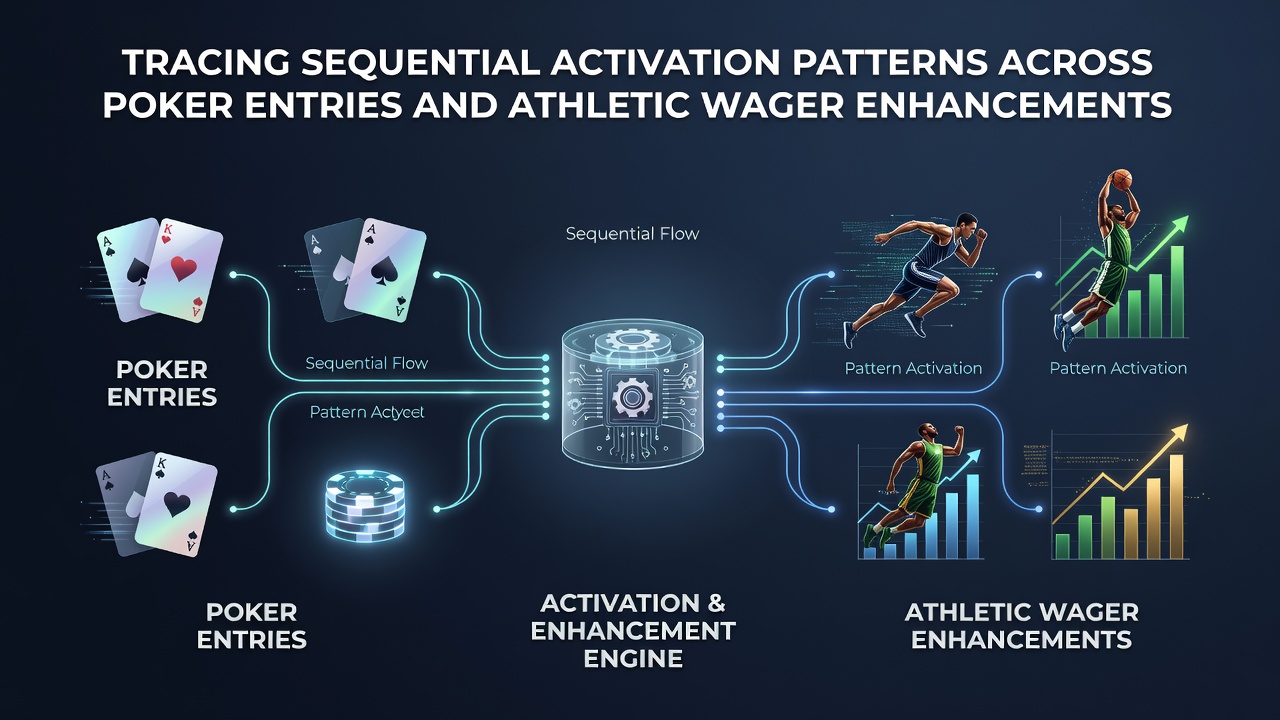
Canadian provincial data further illustrates these connections, with Ontario gaming reports noting that shared code usage increased during periods of overlapping poker tournaments and professional sports calendars. The patterns appear consistent enough that some platforms now embed automated flags to monitor compliance across both product types, reducing manual review requirements while preserving audit trails for each activation event.
Regulatory and Operational Tracking
Government agencies outside the United Kingdom maintain oversight of these linked systems through periodic audits of code issuance records, ensuring sequential activations meet jurisdictional standards for responsible promotion delivery. The American Gaming Association has published summaries of industry practices that describe how operators maintain separate ledgers for poker and sports activations even when a single code bridges the two. Meanwhile, research from European academic centers has examined similar architectures in multi-jurisdiction environments, highlighting database structures that timestamp each transfer without merging player identities across unrelated accounts.
Technical Implementation Details
Backend systems rely on relational tables that associate each code with metadata fields indicating permitted product categories and required prior steps, allowing platforms to validate sequences automatically upon entry. When a poker-issued code reaches a sports interface, the system checks the prior activation status before applying any enhancement, logging both success and failure instances for later analysis. These mechanisms reduce duplicate issuances while creating the very patterns that external researchers later trace through anonymized aggregates.
Conclusion
Shared code mechanisms continue to generate documented sequences that link poker registrations to athletic wager adjustments across multiple regulatory environments, with data from 2026 showing stable patterns in activation timing and product crossover rates. Operators maintain detailed logs that support both internal compliance and external examination, while research institutions compile the resulting datasets into comparative studies that span North American, Australian, and European markets. These traceable flows remain central to how platforms structure cross-category incentives without altering core product separation requirements.