Charting Cross-Vertical Perk Pathways in Regulated American Gaming Ecosystems
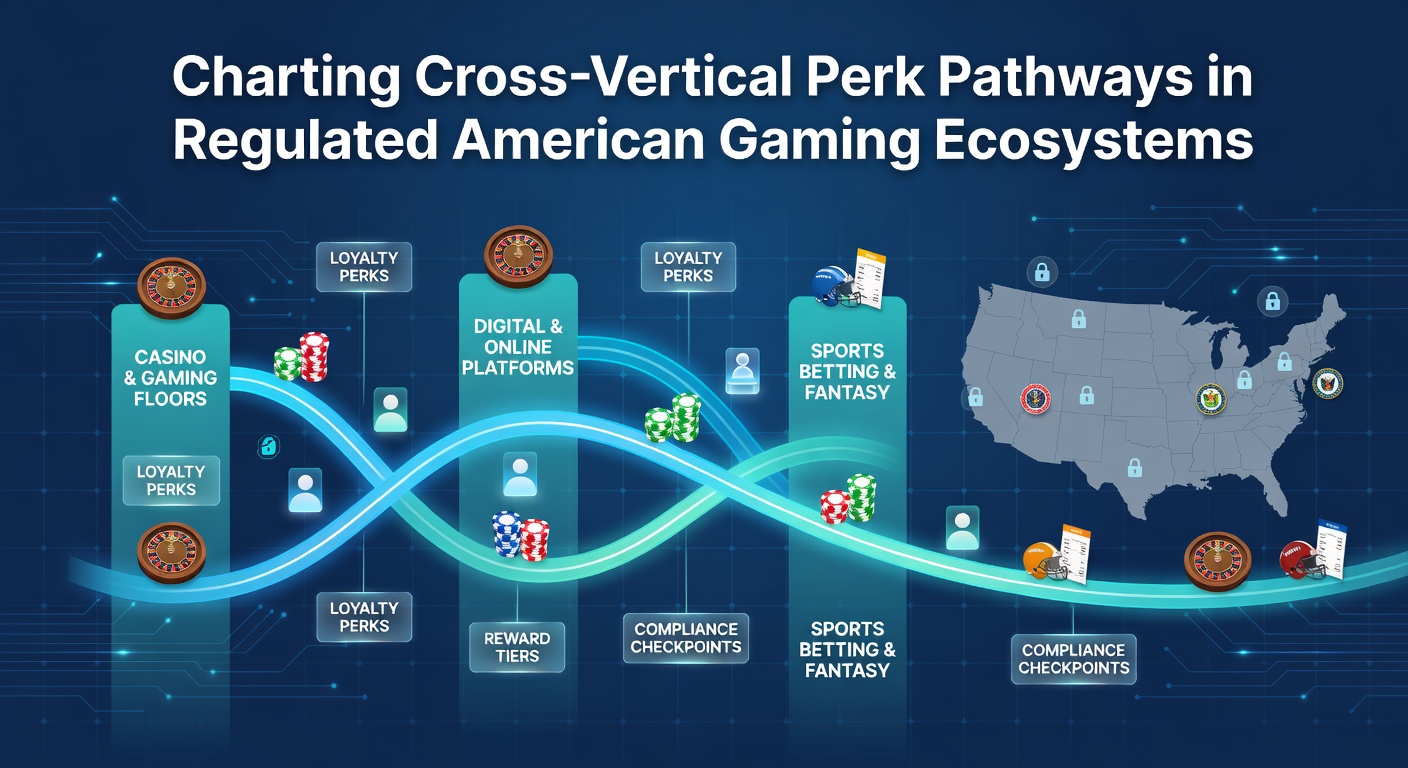
Regulated gaming markets across the United States have developed intricate networks that connect rewards and benefits among sports betting, casino operations, and poker platforms; these structures allow operators to coordinate player engagement through shared loyalty frameworks while complying with state-specific rules that evolved rapidly through spring 2026. Observers note that platforms operating in states such as New Jersey, Pennsylvania, and Michigan maintain separate verticals yet route certain perks along defined pathways that link activity in one category to benefits in another, creating measurable patterns tracked by industry analysts.
Regulatory Foundations Shaping Perk Structures
State gaming commissions set parameters that determine how perks travel between verticals, with licensing conditions in place since the initial expansions of legal sports betting requiring operators to isolate certain promotional mechanics from casino and poker offerings. Data from the American Gaming Association indicates that by May 2026 more than 28 states had authorized at least two verticals under unified regulatory umbrellas, which in turn prompted operators to design tiered loyalty programs capable of recognizing play across categories without violating separation mandates. Those who have examined compliance filings point out that Nevada’s long-standing model for non-restricted licenses provides one template, while newer entrants like Virginia and New York impose stricter segregation rules that limit direct point transfers yet permit indirect pathways through centralized player accounts.
Key Differences Among Leading Jurisdictions
New Jersey’s Division of Gaming Enforcement permits operators to aggregate play data for loyalty purposes provided that audit trails remain accessible, whereas Pennsylvania’s Gaming Control Board requires explicit disclosure of cross-vertical eligibility criteria in annual reports. Michigan’s regulatory environment adds another layer by mandating that any perk earned through sports betting activity must undergo a separate review before conversion into casino comps, a process that industry reports show adds an average of 48 hours to reward activation timelines. These variations create distinct mapping challenges for operators seeking to chart efficient pathways that satisfy all applicable oversight bodies simultaneously.
Mechanics of Perk Movement Across Verticals
Loyalty systems typically assign base points according to wager volume or theoretical loss within each vertical, after which predefined conversion ratios determine eligibility for higher-tier status or experiential rewards such as event access and hospitality packages. Research conducted by the University of Nevada’s International Gaming Institute shows that integrated account systems in multi-vertical states record approximately 17 percent of active players engaging with at least two verticals within a single calendar quarter as of early 2026, generating traceable data trails that operators use to refine pathway algorithms. Points accumulated through sports betting, for instance, frequently feed into casino tier progression when players meet minimum activity thresholds, although the reverse direction remains restricted in several jurisdictions to prevent perceived inducement conflicts.
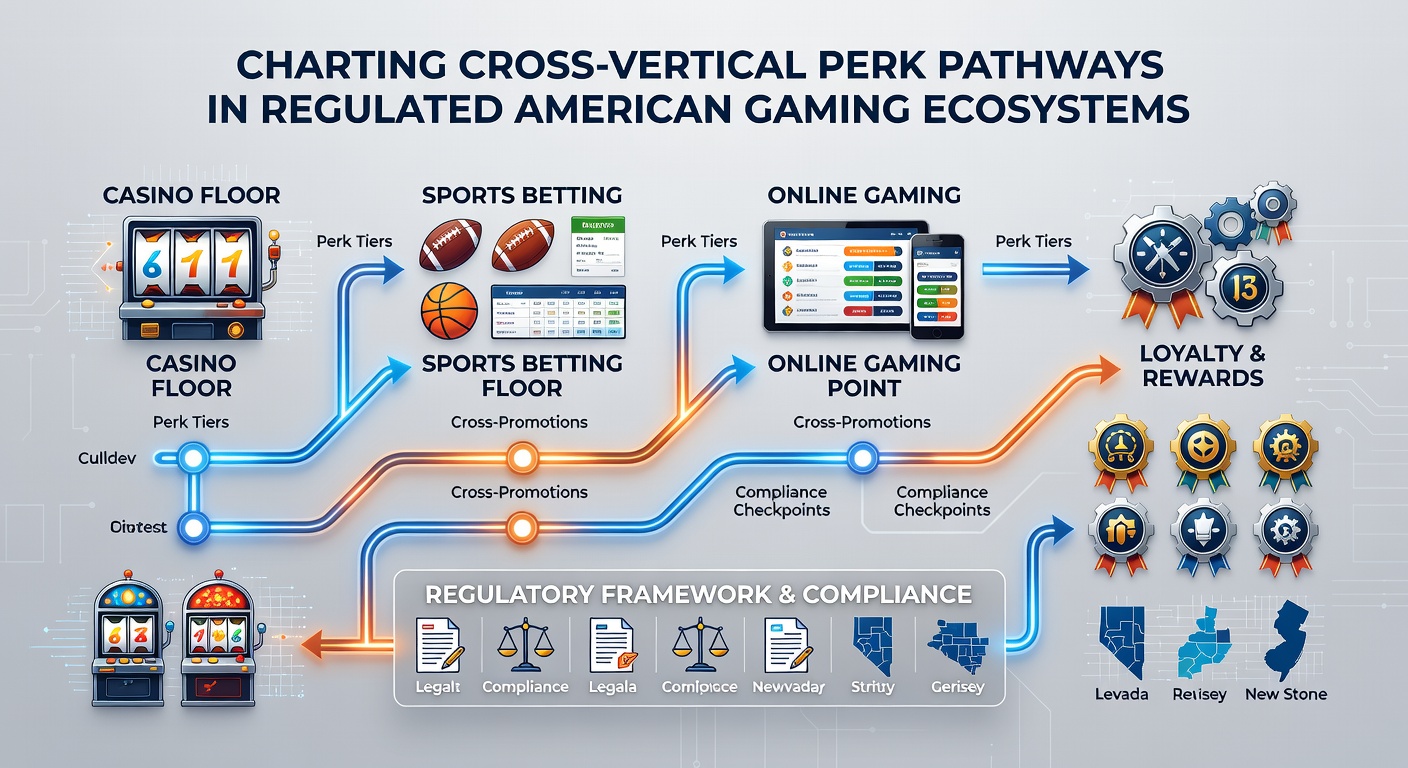
Operators address these constraints through segmented earning schedules that reset on a rolling basis, allowing players to maintain momentum across verticals without triggering regulatory flags. One documented approach involves issuing universal tier credits that unlock benefits in any vertical once total qualifying activity reaches preset milestones, a method adopted widely after regulatory guidance issued in late 2025 clarified acceptable aggregation practices. Those who monitor player behavior databases report that such universal credits now account for a growing share of hospitality redemptions in markets where multiple verticals operate under single corporate licenses.
Data Patterns Emerging in Mid-2026
Figures compiled through operator submissions to state regulators reveal that cross-vertical perk utilization increased by roughly 12 percent between January and May 2026 in states permitting unified loyalty ledgers. The growth correlates with expanded poker offerings in Pennsylvania and Michigan, where tournament entry credits earned through casino play frequently convert into sports betting risk-free wagers when players satisfy play-through conditions tied to their loyalty tier. Analysts examining these flows emphasize that the pathways remain subject to ongoing adjustment as new compliance interpretations surface, particularly around the treatment of poker rake contributions relative to sports betting handle.
External reporting from organizations such as the American Gaming Association underscores that technology platforms enabling real-time tracking have become central to maintaining audit-ready records across verticals. These systems log every point issuance and redemption event, producing datasets that regulators review during routine examinations to verify adherence to segregation rules.
Operational Challenges and Adaptive Strategies
Operators face the task of synchronizing disparate game mechanics into coherent perk pathways while preserving the distinct identity of each vertical. Casino floor games generate comps based on time on device and average bet size, sportsbooks calculate rewards from handle and margin, and poker rooms derive value from rake; aligning these inputs requires sophisticated mapping tables that convert activity into a common loyalty currency. Case studies prepared by compliance teams in New Jersey demonstrate that platforms employing dynamic conversion engines reduce player friction yet still satisfy the requirement that each vertical’s contribution remain independently verifiable.
Seasonal fluctuations add another dimension, with major sporting events prompting temporary adjustments to earning rates that must then be reconciled against ongoing casino and poker activity. Regulatory filings indicate that operators submit proposed rate tables in advance of such events to preempt questions about cross-vertical equity. Those who have reviewed multiple seasons of data observe that successful pathways incorporate buffer periods allowing points to settle before conversion, thereby minimizing disputes over eligibility timing.
Conclusion
Mapping cross-vertical perk pathways continues to evolve as more states authorize overlapping gaming products and as operators refine the technical infrastructure needed to track activity across categories. Regulatory bodies maintain oversight through periodic audits and required disclosures, while data collection efforts supply the empirical basis for future policy refinements. The resulting frameworks reflect a balance between player convenience and statutory separation requirements that define the current landscape of regulated American gaming as of May 2026.