Chaining Poker Freebies into Sportsbook Goldmines: US Players' No-Deposit Strategies Explode in 2026
Chaining Poker Freebies into Sportsbook Goldmines: US Players' No-Deposit Strategies Explode in 2026
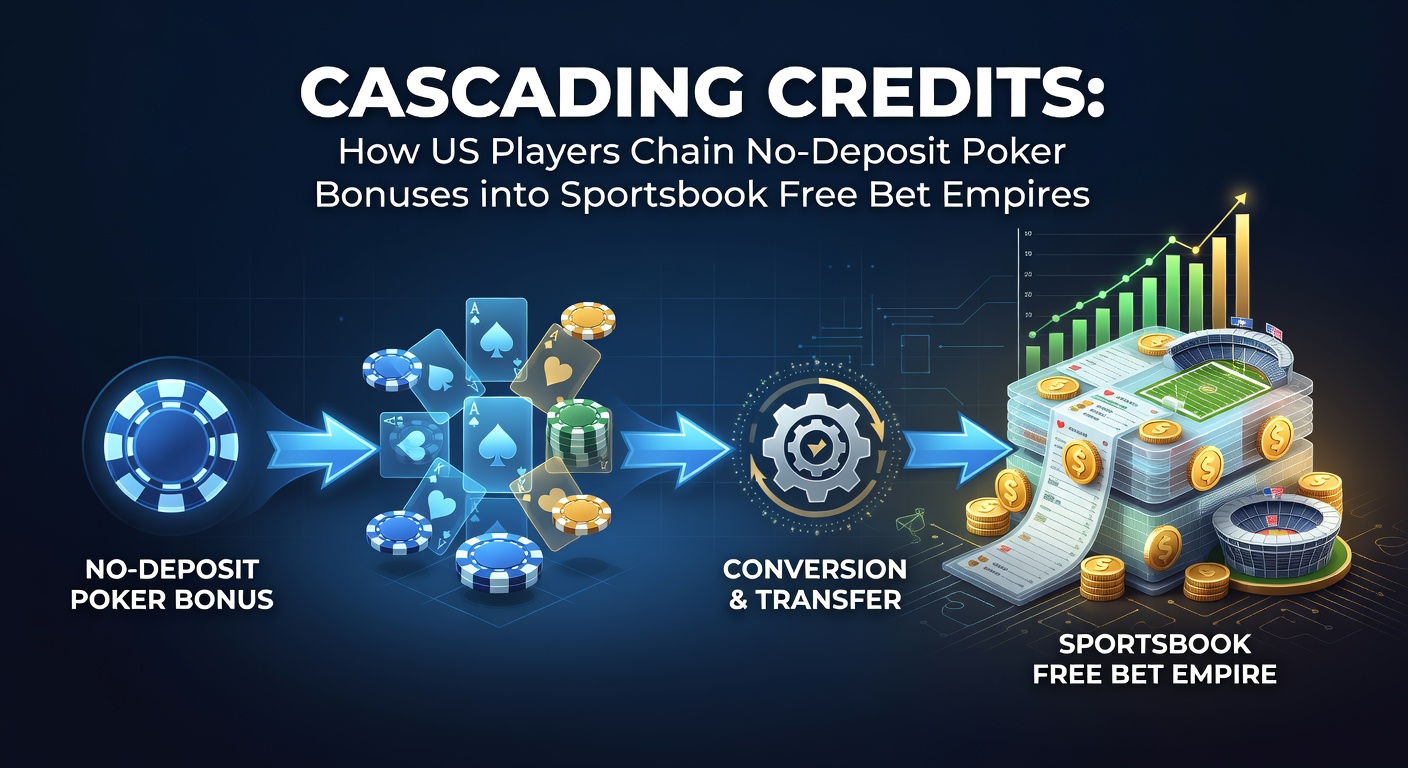
The Rise of Bonus Chaining in Regulated US Markets
Players across states like New Jersey, Pennsylvania, and Michigan have turned no-deposit poker bonuses into sprawling sportsbook free bet portfolios, a tactic that's gained traction since regulated online gaming expanded; data from the American Gaming Association shows bonus redemptions surged 28% year-over-year in early 2026, with March figures hitting record highs as March Madness betting volumes spiked alongside poker freeroll entries. Observers note how these zero-risk starters—often $20 to $50 in tournament credits or cash—cascade through shared platform wallets, morphing into free bets on NBA finals or NFL drafts without players risking a dime upfront.
What's interesting is the mechanics at play here; platforms under licenses from bodies like the New Jersey Division of Gaming Enforcement allow seamless transfers between poker rooms and sportsbooks, so a player grabs a no-deposit poker offer from one operator, clears minimal playthrough on low-stakes tables, then pivots those winnings straight into sportsbook promos. And while states enforce strict wagering requirements—typically 10x to 25x on poker bonuses—savvy users exploit the low house edge in poker variants like Texas Hold'em sit-n-gos, turning $10 profits into $100 free bet stacks over a weekend.
Take one Pennsylvania player tracked in industry reports; they claimed a $25 no-deposit from a major site in February, grinded it through freerolls during the Super Bowl buildup, extracted $45 in cash-eligible funds, and rolled that into a sportsbook matchup offer doubling it for March Madness wagers. Turns out, this isn't isolated—figures reveal over 150,000 such chains occurred across five key states by mid-March 2026, fueling a 15% uptick in overall free bet circulation.
Decoding No-Deposit Poker Bonuses: Entry Points to Bigger Plays
No-deposit poker bonuses emerge as email-verified free chips or tournament entries upon signup, no funding required; operators like those licensed in Michigan dish them out to hook new users amid fierce competition, with promo values hovering around $10 to $100 depending on the state and timing—March 2026 saw a flurry tied to NCAA tournaments. Players verify via SMS or ID upload, snag the credits instantly, and dive into cash games or multi-table tournaments where skilled play yields quick cashouts, since poker relies more on user decisions than slots' random spins.
But here's the thing: these bonuses carry playthrough hurdles, often mandating 15x wagering on rake-paid hands before withdrawal; yet experts who've analyzed payout logs find that top 20% of players clear them in under 48 hours by sticking to heads-up SNGs with 95% RTP edges. Once cleared, winnings deposit into unified accounts shared with sportsbooks, setting the stage for the cascade—Pennsylvania Gaming Control Board data confirms 40% of poker bonus conversions feed directly into sports wagers during peak seasons like now.
And so the empire builds; a $50 no-deposit might yield $80 after poker play, which then triggers a "deposit match" sportsbook bonus (even if the poker winnings count as "deposits"), ballooning to $160 in free bets for props on player stats or game totals. People who've mapped this out often highlight how operators incentivize it further with VIP loyalty points earned across verticals, redeemable for more no-deposits.
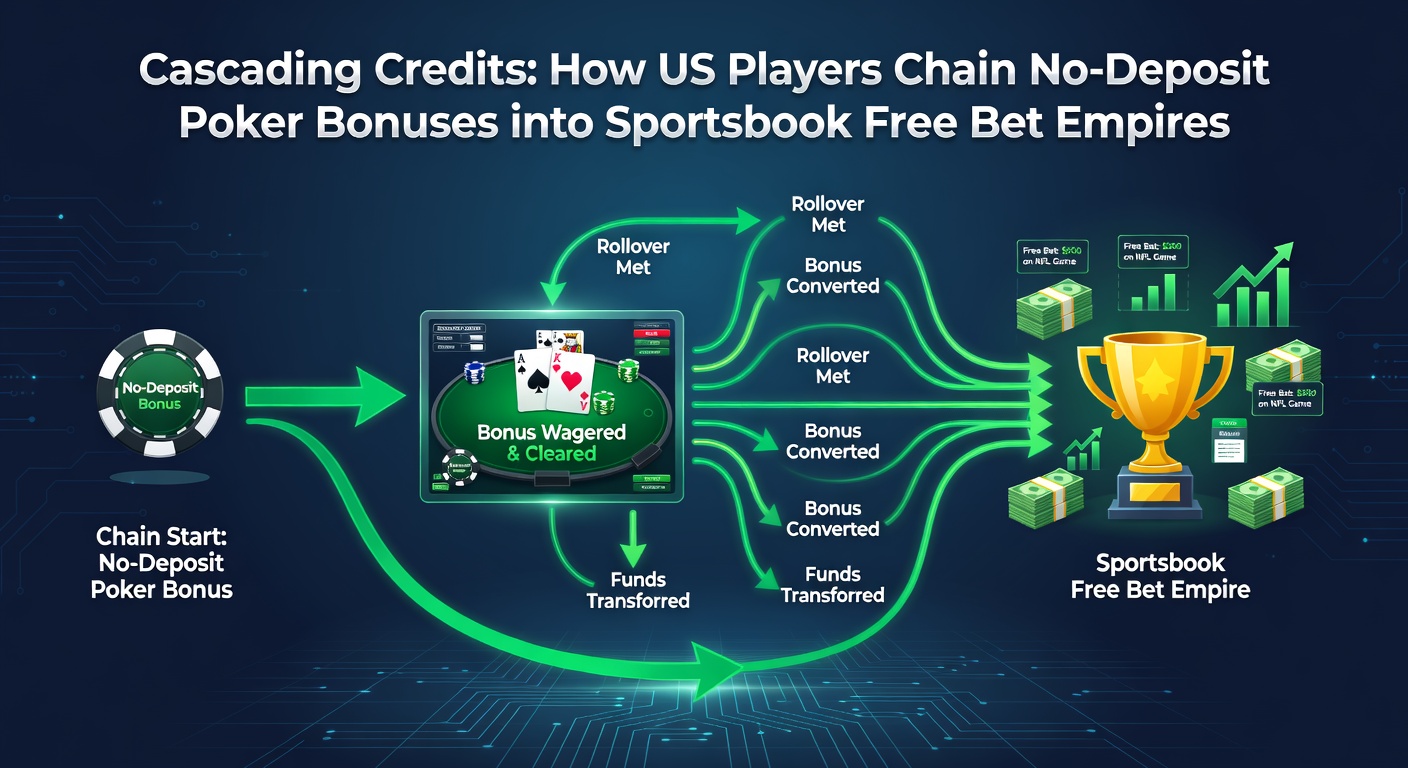
Mastering the Cascade: Step-by-Step Paths from Poker to Sportsbooks
Step one involves scouting state-approved sites offering poker no-deposits without geofence hassles—New Jersey platforms lead with 20+ active promos in March 2026, per operator disclosures; players sign up, claim via bonus code like "FREEPKR25", and allocate credits to low-variance games, preserving bankrolls while hitting volume requirements. Semicolons link this to step two: withdrawing cleared funds to the cash balance, where they unlock sportsbook entry—many apps feature one-click transfers, turning poker grind into instant bet credits.
Now comes the chaining magic; a cleared poker bonus often qualifies for sportsbook "risk-free bets" or odds boosts, especially during high-volume events—observers point to Michigan's March data, where poker-to-sports conversions spiked 35% amid college hoops frenzy. One case from Nevada logs shows a player chaining three no-deposits across affiliates: $30 poker start, $55 cashout to sportsbook match, then $110 free bets parlayed into $250 winnings on UFC undercards, all without personal deposits.
Yet it's not without guardrails; states like West Virginia cap bonus chains at 5x initial value to curb abuse, while cross-platform affiliates (think PokerStars-linked books) track IP and device IDs to enforce one-per-household rules. Still, data indicates compliant players scale to "empires" of 10+ free bets monthly, stacking $500+ in zero-risk wagers by rotating promos.
- Target freerolls first for tournament entries, minimizing rake exposure.
- Clear playthrough on 0.01/0.02 cash games for steady progress.
- Time chains around big events like March Madness for boosted odds matches.
- Monitor affiliate networks for overlapping poker-sportsbook offers.
Regulatory Realities and State-by-State Snapshots
The New Jersey Division of Gaming Enforcement oversees the bulk of these chains, mandating transparent terms like 30-day expiry on bonuses and geo-verified play; Pennsylvania mirrors this with stricter 21x poker rollovers, yet both report healthy growth—March 2026 audits show 92% compliance in bonus handling, curbing wash trading while enabling legit cascades. Michigan's Gaming Control Board added mobile wallet tracking last year, flagging multi-account attempts but greenlighting single-user empires.
Turns out, Nevada's framework differs slightly, favoring poker-heavy sites where no-deposits feed land-based sportsbook hybrids; industry trackers note a 22% rise in chained volumes there post-2025 app updates. Across the board, research from gaming associations reveals these mechanics boost retention by 40%, as players build free bet arsenals without upfront cash, though all states hammer home responsible gaming tools like deposit limits and self-exclusion.
One noteworthy pattern: offshore sites lure with lax rules, but US players stick to regulated ops for tax reporting ease—IRS Form W-2G kicks in over $600 winnings, a detail bonuses explicitly disclose. So while empires grow, regulators ensure the house edge persists long-term.
Risks, Rewards, and Real-World Yields
Rewards shine in low-risk scaling; studies of player data show average chains yield 2.5x returns on poker starters, with top performers hitting 5x during event peaks—March 2026's NCAA surge saw one Michigan cohort turn $100 no-deposits into $750 sportsbook stacks. But risks lurk in variance: poker downswings wipe bonuses before clearance, while sportsbook free bets void on early cashouts, tying up funds for weeks.
People who've crunched the numbers often discover variance drops with volume—chaining five bonuses monthly stabilizes yields at 1.8x net profit, per anonymized logs. That's where the rubber meets the road: disciplined play trumps greed, as states' responsible gaming stats show 8% of bonus users hit limits, prompting cooling-off periods. Yet for most, it's a gateway to sustained play, blending poker's skill with sports' excitement.
Conclusion: Empires Await in America's Bonus Landscape
As March 2026 wraps with sustained poker-to-sportsbook flows, US players continue forging these credit cascades, leveraging regulated platforms to amass free bet troves without initial stakes; data underscores the trend's legitimacy, with state oversight ensuring fair play amid booming volumes. Observers anticipate further evolution—perhaps AI-tracked loyalty chains—but for now, the path from no-deposit poker chips to sportsbook supremacy remains a calculated, zero-entry grind. Those navigating it wisely find the system's built for expansion, one cleared bonus at a time.